Stocking Decisions: Which Kumkum Box Styles Actually Sell
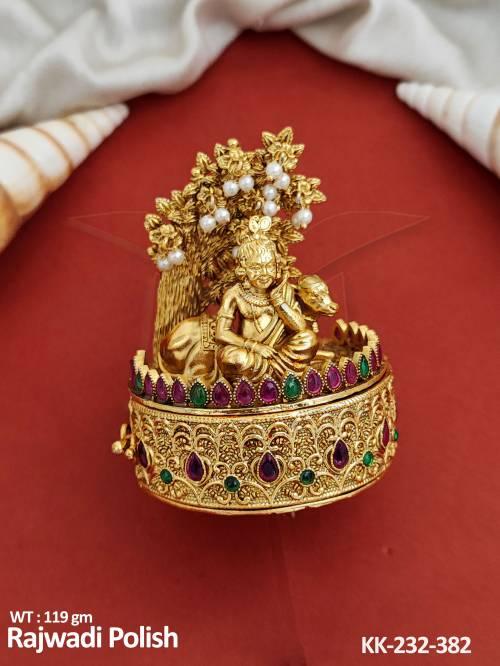
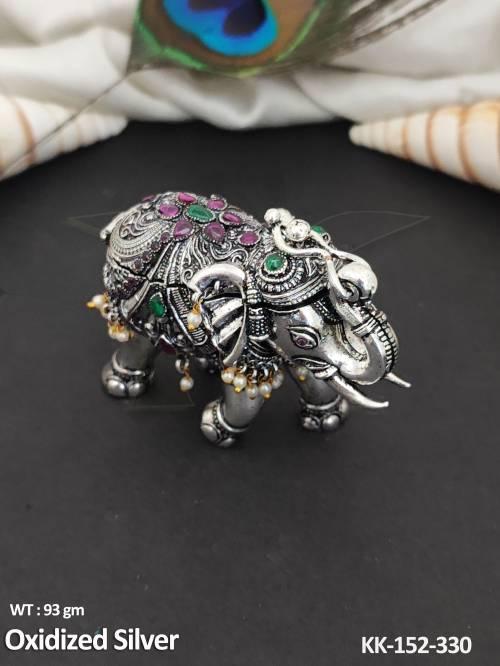
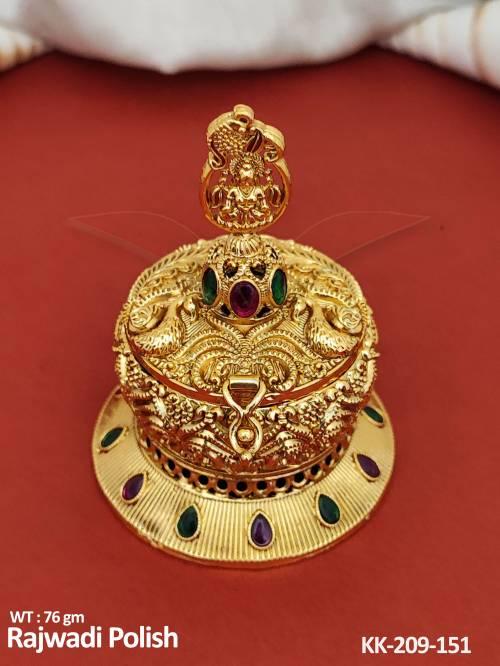
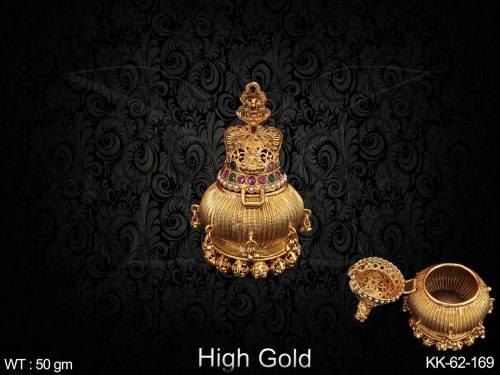
Choosing which kumkum box designs to stock comes down to matching everyday demand with festival spikes. Most retailers build their shelf around three tiers: a basic metal or plastic sindoor box for daily temple use, a mid-range engraved or meenakari kumkum dani for gifting, and a premium stone-studded or enamel-finished piece for weddings and bulk corporate orders. Round and oval shapes with a tight-fitting lid remain the fastest movers because they are easy to refill and travel well without spilling. A wholesale kumkum box supplier who offers all three tiers in one order lets a retailer test new designs without overcommitting to a single style, which matters more than chasing the trendiest finish.
Colour and finish also drive repeat orders. Antique gold, oxidised silver, and meenakari patterns consistently outsell plain polished metal because they double as decor pieces during festivals like Diwali and weddings, giving retailers a reason to display them near the counter rather than tucked in a drawer.
What size kumkum box sells best for daily retail use?
Small to medium kumkum boxes, roughly 1.5 to 2.5 inches wide, sell best for daily retail because they suit everyday temple and dressing-table use, cost less to stock in variety, and are easy for customers to carry, gift, or refill without wasting excess sindoor.
Should retailers stock plain or decorative kumkum dani designs?
A mix works best. Plain, low-cost kumkum dani pieces cover daily household demand, while decorative meenakari, engraved, or stone-set designs attract festival and wedding-gift buyers, giving retailers both steady turnover and higher-margin seasonal sales from the same category.
Why a Kumkum Box Looks Different in Chennai Than in Jaipur
A kumkum box carries different meaning depending on where in India it is used, which is why a single sindoor box design rarely sells the same way nationwide. In Maharashtra and Karnataka, the haldi-kumkum exchange between married women during festivals keeps small, easy-to-gift kumkum dani pieces in steady demand, while in North India the sindoor box is closely tied to a married woman's daily ritual and is often kept near the mandir rather than given as a gift. Bengali households associate sindoor strongly with Durga Puja's sindoor khela, favouring silver or filigree finishes, whereas Rajasthani and Gujarati buyers lean toward meenakari kumkum box design elements that double as bridal trousseau pieces. Retailers sourcing across regions benefit from understanding these patterns before finalising a wholesale kumkum box order, since a design that moves fast in one state may sit untouched in another.
Why do kumkum box designs vary so much across Indian states?
Kumkum box designs vary by state because the ritual use differs - some regions treat it as a daily puja item, others as a festival gifting piece or bridal trousseau object, so local aesthetic preferences, metals, and finishes shape which kumkum dani styles sell best in each market.
Is the sindoor box only used by married women?
While a sindoor box is traditionally linked to married women applying sindoor daily, kumkum itself is used more broadly during festivals, temple visits, and guest welcoming rituals, so kumkum boxes are bought by households regardless of marital status for everyday and ceremonial purposes alike.
Which regions drive the highest festival demand for kumkum boxes?
Maharashtra, Karnataka, and Gujarat see strong seasonal spikes around Diwali and haldi-kumkum gatherings, while Bengal sees demand concentrated around Durga Puja, making regional festival calendars a useful guide for timing wholesale kumkum box restocking.
Protecting Finish and Colour Before a Kumkum Box Ever Reaches the Shelf
A kumkum box sits closer to daily spills and oily pigment than almost any other accessory on a jewellery shelf, so how it is stored before sale matters as much as the design itself. Sindoor box lids left slightly open during transit or storage let moisture in, which dulls meenakari colour and speeds up tarnish on oxidised silver finishes; wrapping each piece in acid-free tissue and keeping stock away from direct sunlight preserves the finish retailers are paying for.
Cleaning a kumkum dani before display is equally important since sindoor residue hardens if it sits for weeks. A dry, soft cloth removes surface powder without scratching enamel or stone-set kumkum box design work, and a barely damp cloth followed by immediate drying handles stubborn stains on metal variants. Wholesale kumkum box buyers who build these steps into their stock-rotation routine see fewer returns and keep display pieces looking new far longer, protecting resale value across both everyday and festival-tier designs.
How should a kumkum box be cleaned without damaging the finish?
Wipe with a dry, soft cotton cloth to remove loose sindoor powder, then use a barely damp cloth only if residue is hardened, drying immediately after. Avoid harsh chemicals or scrubbing on meenakari, enamel, or stone-set kumkum box designs, as these can dull colour and loosen embedded stones over time.
How should kumkum boxes be stored to prevent tarnish?
Store a kumkum box or sindoor box in a dry, airtight pouch or acid-free tissue, away from direct sunlight and humidity. Oxidised silver and antique gold finishes tarnish faster when exposed to moisture, so keeping lids fully closed during storage and transit protects both colour and resale value.
Does sindoor residue damage a kumkum dani over time?
Yes, if left uncleaned, sindoor's oil content can stain porous finishes and harden inside grooves of an engraved kumkum dani. Regular wiping after refilling, along with periodic deep cleaning, keeps the piece looking new and prevents permanent discoloration that lowers its resale appeal.