• Search

  • Login

FILTERS

    pearl jewellery

    1. Home
    2. PEARL JEWELLERY
    Sort by : What's New

    pearl jewellery

    1. Home
    2. PEARL JEWELLERY
    high-gold-double-layer-pearl-drop-mala-necklace
    High Gold Double Layer Pearl D...
    Add To Watchlist
    high-gold-beaded-layered-chain-mala-necklace-for-women
    High Gold Beaded Layered Chain...
    Add To Watchlist
    high-gold-pearl-drop-pendant-mala-necklace-for-women
    High Gold Pearl Drop Pendant M...
    Add To Watchlist
    Play Video
    high-gold-pearl-tassel-chain-mala-necklace-for-women
    High Gold Pearl Tassel Chain M...
    Add To Watchlist
    Play Video
    designer-pearl-drop-kundan-party-wear-earrings
    Designer Pearl Drop Kundan Par...
    Add To Watchlist
    Play Video
    designer-pearl-chandbali-earrings-with-kundan-work
    Designer Pearl Chandbali Earri...
    Add To Watchlist
    Play Video
    high-gold-kundan-pearl-chandbali-earrings-for-women
    High Gold Kundan Pearl Chandba...
    Add To Watchlist
    Play Video
    classic-pearl-choker-necklace-with-pendant-fashion-accessory-style
    Classic Pearl Choker Necklace ...
    Add To Watchlist
    delicate-pearl-tassel-pendant-mala-set-trendy-fashion-wear-style
    Delicate Pearl Tassel Pendant ...
    Add To Watchlist

    PEARL Jewellery is Manek Ratna's wholesale range of imitation pearl earrings, mala necklaces, chokers and haath pan bracelets, built around kundan work and high gold plating. It is manufactured in Mumbai for retailers, boutique owners and exporters who need a steady, repeatable supply of pearl-based fashion and bridal pieces.

    What does the PEARL Jewellery range actually include?

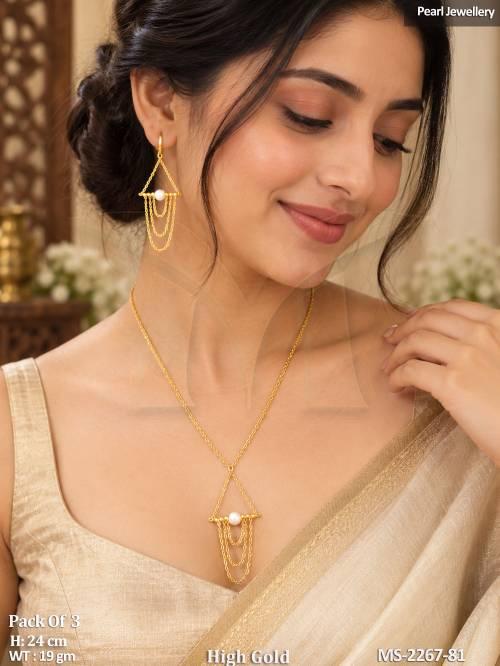
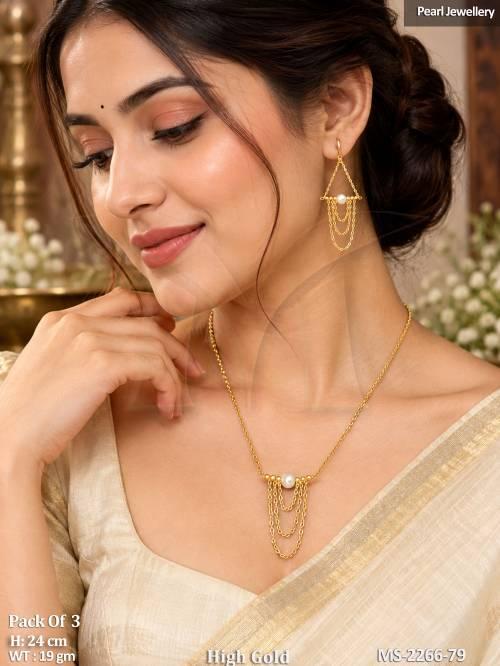
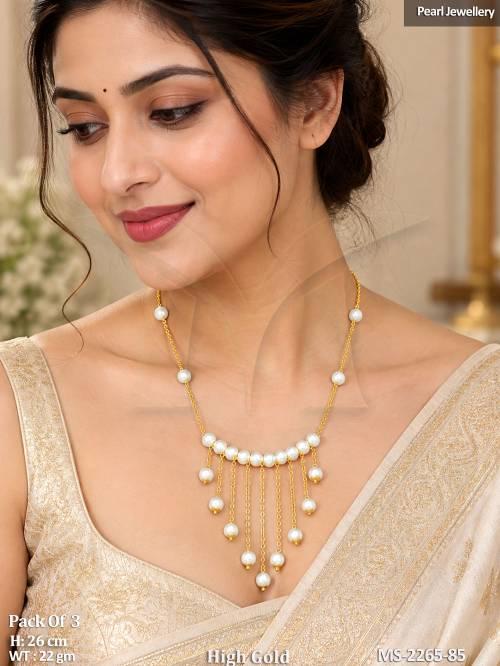
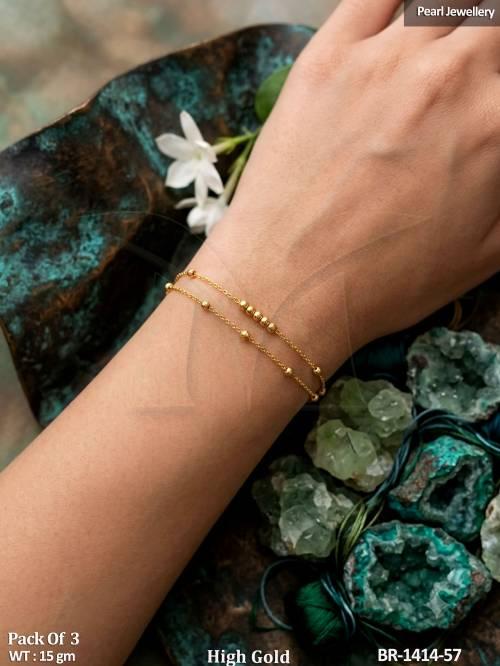
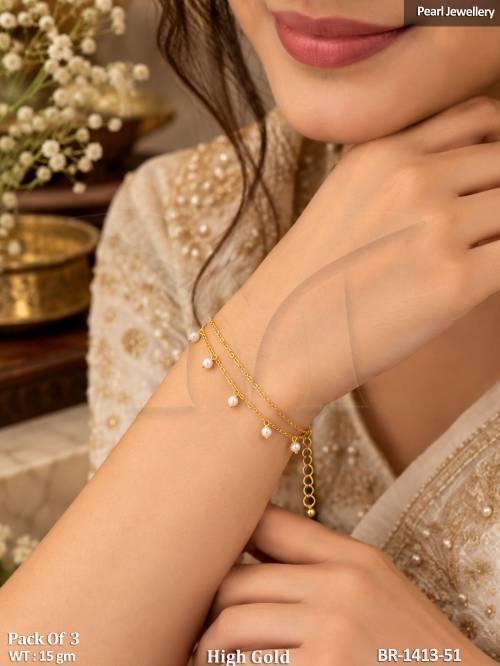
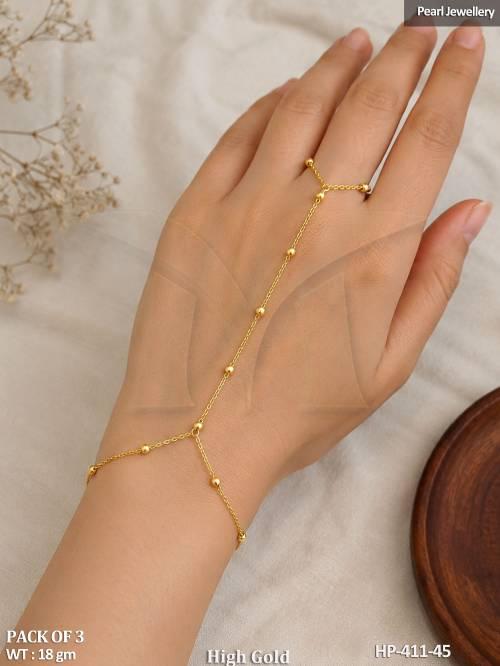
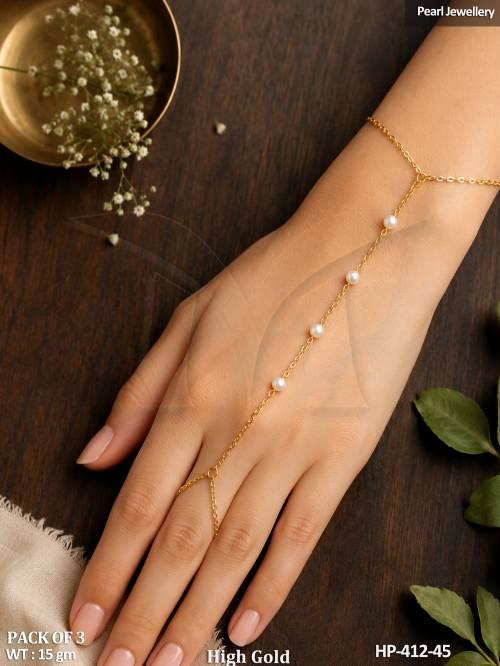
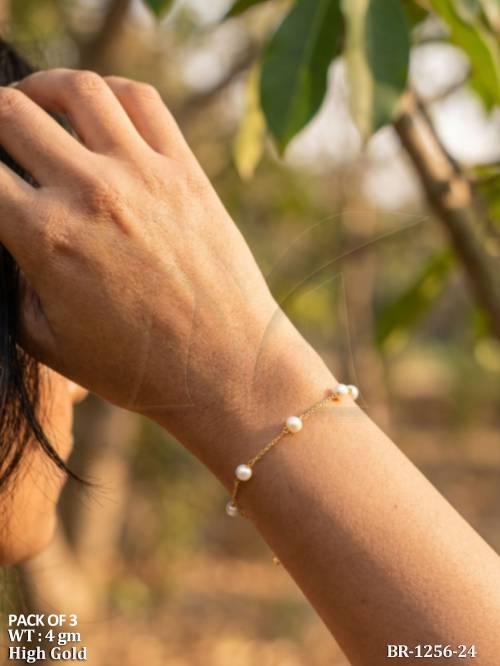
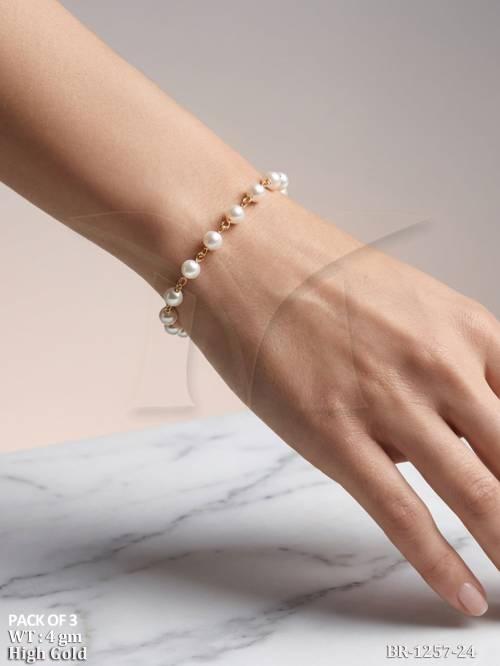
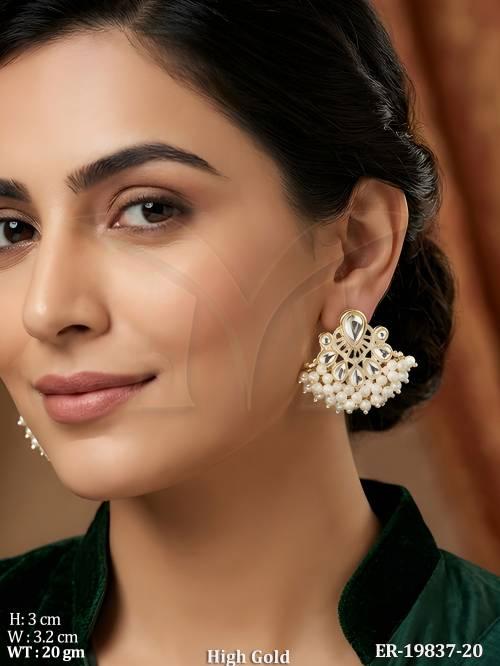
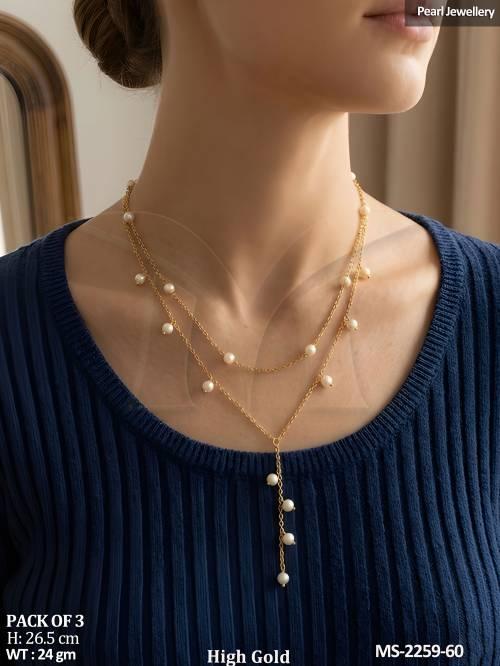
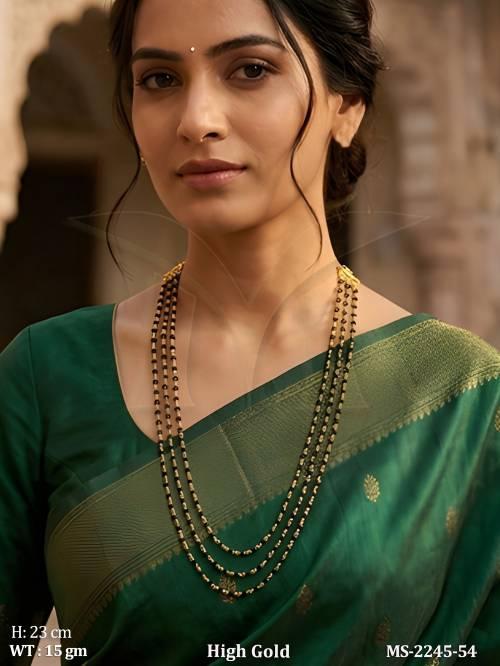
    The category spans three broad product groups. Earrings run from chandbali styles with kundan work and pearl drops to lighter party wear drop earrings meant for daily use. Necklaces cover double layer pearl drop malas, tassel chain malas, pendant malas, layered beaded chains and choker styles with a central pendant. The third group is hand jewellery, mainly haath pan bracelets in adjustable and fixed fittings, sold as an accessory to complete bridal and festive looks.

    Within each group there is a mix of traditional and contemporary design language. Chandbali earrings and tasselled malas lean traditional and are usually bought for weddings and festivals, while chokers with a single pendant and shorter layered chains lean toward fusion or indo-western wear that a younger retail customer picks up for regular outings.

    What materials, plating and stones go into these pieces?

    Base construction is alloy or brass, plated in high gold tones to get the richer yellow finish that pearl and kundan work is traditionally paired with. Kundan work uses foiled glass stones set by hand into the metal base, which is what gives chandbali earrings and pendant necklaces their bridal look. The pearls themselves are imitation, usually shell-based or glass-core beads finished to a consistent sheen, strung individually or in tasselled clusters depending on the design.

    Finish is the main practical difference buyers should track. High gold plating reads richer and photographs better under warm lighting, which matters for bridal displays and festive counters. Lighter plating tones suit the fusion-wear pieces where the customer wants something closer to everyday gold jewellery rather than a heavy bridal statement.

    Who buys pearl jewellery and when does it sell fastest?

    The end customer is typically a woman shopping for a wedding, a festival, or a family function, plus a smaller segment buying tasselled pendant sets and chokers as regular fusion wear. Boutiques serving bridal trousseau customers lean on chandbali earrings, layered malas and haath pan sets. Fashion-forward stores selling day-to-day pieces lean on lighter drop earrings and single-pendant chokers.

    Demand is strongest through the wedding season months and around major festivals such as Diwali and Karva Chauth, when full jewellery sets are being assembled rather than single pieces. Outside these periods, the tasselled and pendant mala styles keep moving as standalone fashion pieces, which is what keeps this category active across the year rather than only in peak season.

    How should a retailer build an assortment across this category?

    Stock chandbali earrings and pearl drop mala necklaces the deepest, since these are the pieces bridal and festive customers come in looking for by name. Haath pan bracelets and choker styles work well as a shallower complementary range, bought alongside a necklace or earring set rather than on their own. Lighter tassel pendant sets deserve their own steady presence since they sell independently of the wedding calendar.

    • Lead with chandbali and drop kundan earrings for bridal and party wear footfall.
    • Keep layered and tasselled mala necklaces as the necklace backbone of the range.
    • Treat haath pan and choker styles as add-on stock tied to necklace or earring purchases.
    • Restock ahead of the wedding season and major festivals rather than after demand peaks, since these pieces sell fastest in the weeks immediately before an occasion.

    What should a buyer inspect before placing a wholesale order?

    Pearl consistency is the first thing to check. Beads on a single piece should match in size, colour and shine, since even one duller or off-colour pearl in a strand is visible on a lit display counter. Kundan stones should sit flush and not shift when pressed, and plating should be even across joints, clasps and the back of chandbali earrings where wear shows first.

    For mala necklaces, check that layered strands hang cleanly without tangling and that tassel ends are trimmed evenly. For haath pan pieces, check that the ring and bracelet fittings adjust smoothly, since a stiff or overly loose fitting is the most common return reason for hand jewellery.

    What makes Manek Ratna's pearl jewellery line different?

    Manufacturing is done from Manek Ratna's own Mumbai base, which means plating thickness, kundan setting and pearl matching are controlled through the same production line rather than pieced together from multiple outside vendors. This keeps finish consistent across repeat orders, which matters to a retailer who wants a chandbali earring reordered next season to match the one that sold out this season.

    The range is also built to be sourced as a single category rather than piece by piece, covering earrings, necklaces and hand jewellery together, so a retailer building a full bridal or festive counter can draw the whole look from one supplier instead of matching finishes across different manufacturers.

    Frequently asked questions

    What is the difference between pearl chandbali earrings and pearl drop earrings in this range?

    Chandbali earrings have a curved, crescent-shaped base with kundan work and pearl detailing hanging below, giving a fuller silhouette suited to bridal and festive wear. Drop earrings are lighter, with pearls suspended from a smaller top stud, and sell better for daily wear and party wear where the customer wants pearls without the visual weight of a chandbali.

    What plating finish lasts longest for pearl jewellery meant for daily retail display?

    High gold plating over a brass or alloy base holds its tone under repeated handling and shop lighting better than thin gold wash finishes. For pieces that stay on open display or get tried on frequently, high gold plating combined with well-set kundan work shows less wear than lower-grade plating over a few months of counter use.

    Does PEARL Jewellery work well displayed alongside kundan or polki collections?

    Yes, pearl pieces with kundan work are designed to sit visually alongside kundan and polki lines since they share the same stone-setting technique and gold-tone base. Retailers often merchandise pearl chandbali earrings and mala necklaces next to kundan sets so customers can mix pearl drops with kundan chokers for bridal or festive looks.

    What is a haath pan and why do retailers stock it?

    A haath pan is a hand ornament that connects a bracelet to ring fittings across the back of the hand, traditionally worn with bridal and festive outfits. Retailers stock it because it is an add-on sale alongside earrings and necklaces rather than a standalone purchase, and pearl haath pan designs move well during wedding season when full bridal sets are being assembled.

    How do I check if pearl jewellery is well made before placing a wholesale order?

    Check that the pearls across a single piece match in size, sheen and colour, since mismatched beads are the most common visible defect. Also check that kundan stones are set firmly and do not move when pressed, that plating is even across joints and clasps, and that layered mala strands hang without tangling or uneven drop lengths.

    What occasions drive the most demand for pearl mala necklaces?

    Wedding season and major festivals such as Diwali and Karva Chauth drive the bulk of demand for pearl mala necklaces, since they are worn as bridal jewellery and gifted as festive wear. Outside these periods, lighter tassel and pendant mala styles continue to sell as everyday fusion wear, which keeps the category moving in slower months too.

    What are the minimum order quantities and payment terms for this category?

    These commercial details are handled directly by the sales team and vary by order, so please contact Manek Ratna's sales team for current terms.

    MR MEMBERSHIP

    currency