• Search

  • Login

FILTERS

bugadi

  1. Home
  2. BUGADI
    Sort by : What's New
    bugadi
    1. Home
    2. BUGADI
    Showing 1–12 of 21 products
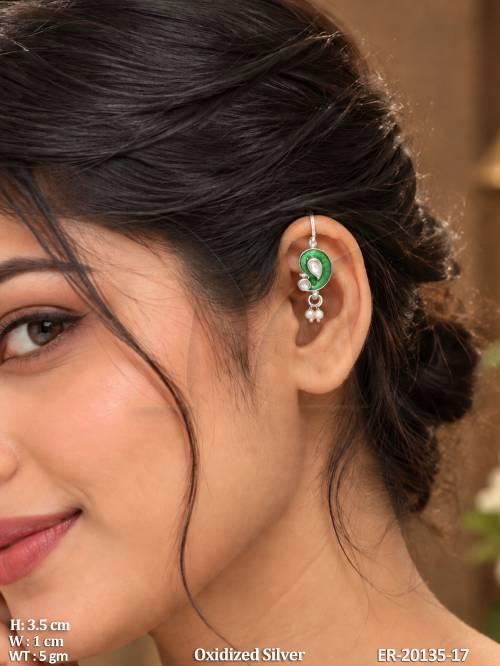
    traditional-paisley-earrings-with-kundan-detailing
    Traditional Paisley Earrings W...
    Add To Watchlist
    Play Video
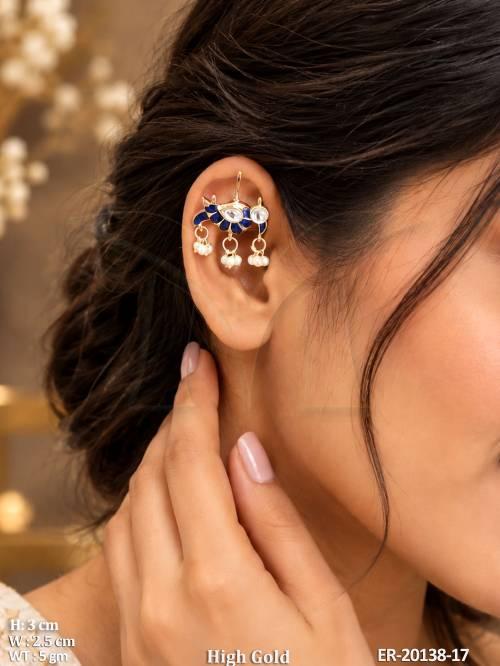
    elegant-peacock-earrings-with-kundan-and-pearl-drops
    Elegant Peacock Earrings With ...
    Add To Watchlist
    Play Video
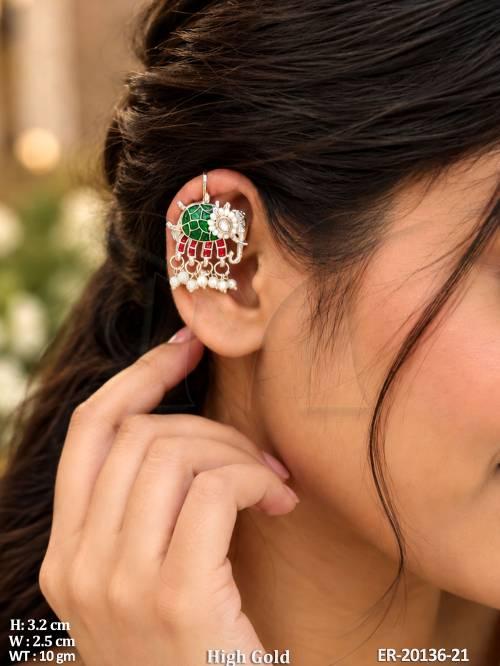
    traditional-elephant-hanging-earrings
    Traditional Elephant Hanging E...
    Add To Watchlist
    Play Video
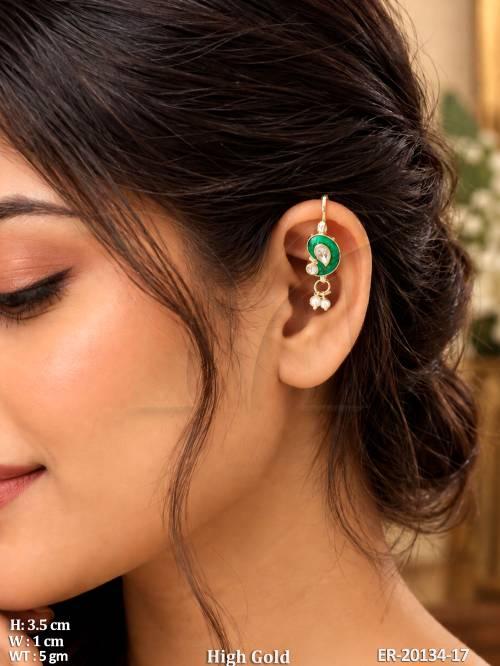
    traditional-meenakari-earrings-with-kundan-pearl-detailing
    Traditional Meenakari Earrings...
    Add To Watchlist
    Play Video
    designer-peacock-dangle-earrings-with-pearls
    Designer Peacock Dangle Earrin...
    Add To Watchlist
    Play Video
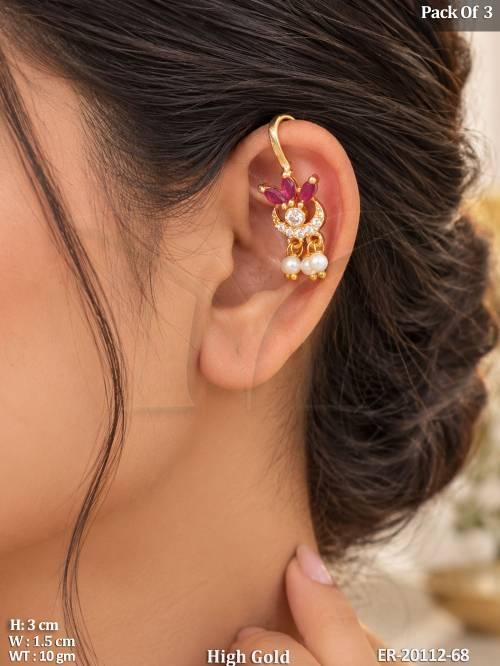
    designer-full-stone-gold-dangle-earrings
    Designer Full Stone Gold Dangl...
    Add To Watchlist
    Play Video
    traditional-high-gold-stone-earrings
    Traditional High Gold Stone E...
    Add To Watchlist
    Play Video
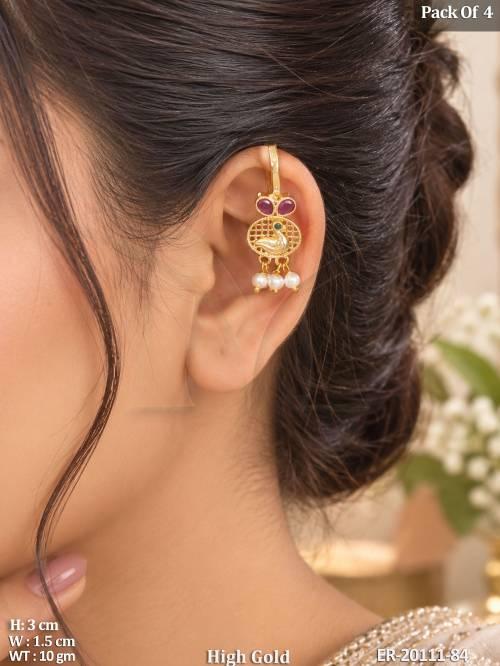
    traditional-peacock-motif-gold-hanging-earrings
    Traditional Peacock Motif Gold...
    Add To Watchlist
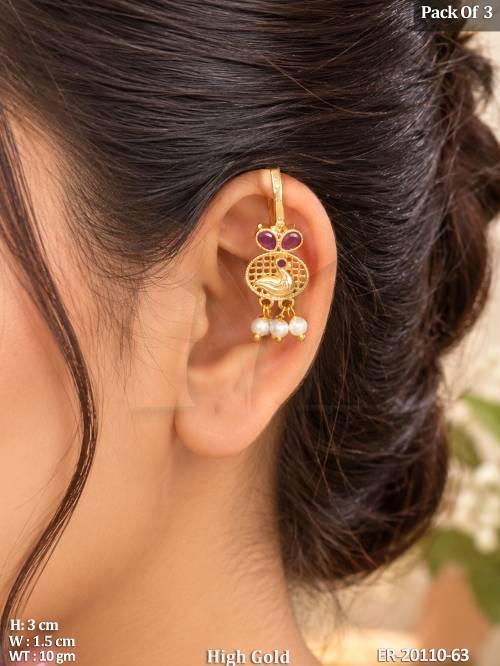
    traditional-peacock-pearl-drop-earrings
    Traditional Peacock Pearl Drop...
    Add To Watchlist
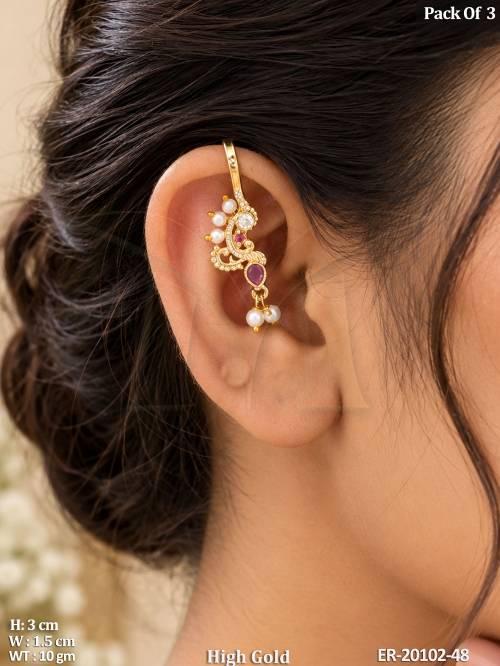
    high-gold-pearl-embellished-earrings
    High Gold Pearl Embellished Ea...
    Add To Watchlist
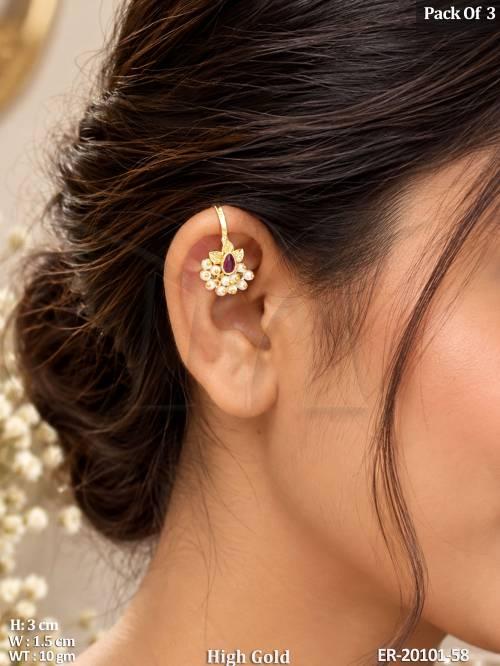
    high-gold-floral-stone-drop-earrings
    High Gold Floral Stone Drop Ea...
    Add To Watchlist
    Play Video
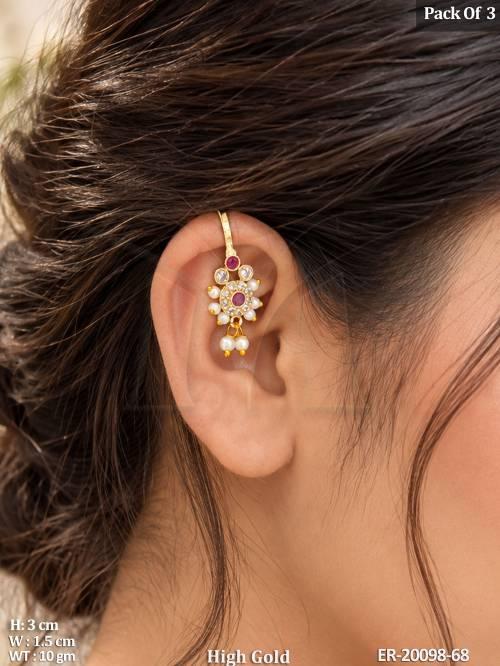
    traditional-kundan-pearl-earrings
    Traditional Kundan Pearl Earri...
    Add To Watchlist
    Play Video

    Bugadi is a traditional hanging earring style from Maharashtra, built around a domed or floral top with a long drop finished in kundan, pearl, meenakari or full-stone work. Retailers, ethnic wear boutiques and export resellers source it wholesale from manufacturers like Manek Ratna in Mumbai to stock bridal and festive jewellery counters.

    What styles and finishes does the Bugadi category include?

    The Bugadi category groups several distinct design families under one traditional silhouette, rather than repeating a single shape across finishes. Motif-led pieces such as elephant and peacock hanging earrings carry sculptural detail down the drop, usually finished with kundan stones and pearl clusters for festive wear. Floral and paisley designs set kundan into a gold-tone base for a lighter silhouette that still reads as ethnic without the visual weight of a full motif piece. Full-stone and high-gold styles cover most of the visible surface in stone-work or dense plating, giving a heavier, more occasion-specific look that boutiques generally position on bridal counters rather than everyday racks. Meenakari pieces layer fired enamel colour alongside kundan and pearl, which lets the same base design be offered across several colourways without retooling the mould.

    Within these families, the earring itself follows a few recurring constructions: a stud or button top that sits against the earlobe, a hanging chain or loop connecting to the main drop, and the drop itself carrying the motif, stone cluster or pearl work. Some designs add a secondary drop or tassel below the main body for extra movement, which is common in the more elaborate peacock and floral hanging styles.

    • Motif hangings - elephant, peacock and paisley shapes with sculptural, cast detail on the drop
    • Kundan-set florals - flat-set faceted stones in a gold-tone base metal, lighter in visual weight
    • Full-stone and high-gold coverage - dense stone-work or plating across the entire face of the earring
    • Meenakari combinations - fired enamel colour work paired with kundan and pearl detailing
    • Pearl-embellished styles - clustered or drop pearls used as the primary embellishment rather than stones

    For a retailer deciding what to list first, it helps to think of these as five different reasons a customer buys, not five versions of the same earring: motif pieces sell on visual drama, kundan florals sell on versatility, full-stone pieces sell on bridal occasion, meenakari sells on colour-matching, and pearl styles sell on a softer, more classic look.

    What materials, plating and stone work should a buyer know before stocking Bugadi?

    Every piece in the category starts as a cast base metal, typically a brass alloy, which is then plated and stone-set to reach its finished look. The base metal choice affects weight and how well a design holds fine detail during casting, which matters for motif pieces like elephant and peacock designs where the sculpting needs to survive plating without softening.

    Plating comes in a few recognisable finishes. Antique gold plating gives a duller, slightly oxidised gold tone and tends to hold its colour longer under daily handling in a shop, because the oxidised layer does not show scratching as visibly as bright plating does. High-gold or bright-gold plating gives a shinier, more reflective finish that photographs well for online listings and catalogue images, but shows wear at contact points such as the hook and clasp sooner if handled roughly across a season. Oxidised silver-tone plating appears less often in Bugadi than in nath or jhumka lines, but turns up in some paisley and floral designs where a buyer wants a contrast finish within the same range.

    Stone work is where most of the visible difference between designs sits. Kundan is a flat-back faceted glass stone, set into a foil-backed frame that reflects light through the stone rather than around it, which is what gives kundan pieces their sparkle without adding much weight. Full-stone coverage designs use smaller stones set edge to edge across the whole surface, producing denser sparkle but a heavier finished earring that some customers find less comfortable for extended wear. Pearls used across the category are either shell-based or glass pearls, strung loose on a loop for movement in hanging designs or fixed directly to the base for a static cluster look in floral and full-stone pieces.

    Meenakari work adds a further layer: coloured enamel is fired onto the metal base before stone-setting happens, and the quality of that firing determines how the finished piece performs over time. A buyer inspecting meenakari stock should look for hairline cracks at the curve of the earring, where stress from wear concentrates, since a poor firing shows cracking there before anywhere else on the piece.

    Who buys Bugadi earrings and what drives seasonal demand?

    The end customer for this category is typically a bride, a wedding guest, or a festival shopper buying to match a specific outfit, which makes Bugadi a strong fit for boutiques and stores that build seasonal ethnic-wear counters. Because the style originates in Maharashtra, demand runs particularly high around Ganesh Chaturthi, Gudi Padwa and Navratri, alongside the general wedding season that most ethnic jewellery categories see across October to February.

    Retail customers for this range tend to fall into a few groups: saree and lehenga retailers who stock earrings to complete an outfit sale, bridal trousseau shops building complete jewellery sets, online ethnic-wear sellers who photograph earrings against seasonal collections, and export buyers supplying Indian diaspora communities in the Gulf, the UK and the US who see their own wedding-season spikes tied to the Indian calendar rather than the local one.

    Because so much of the demand is calendar-driven, sell-through in Bugadi is rarely even across the year. A store that stocks only around major wedding months will miss the Maharashtrian festival spikes, and a store that stocks only for festivals will miss the broader wedding season demand that other regions drive. Retailers who carry a standing ethnic counter year-round, rather than a seasonal one, tend to see more stable sell-through because Bugadi also moves as a gifting item outside the main occasion calendar.

    How should a retailer plan a Bugadi assortment?

    Assortment planning in this category comes down to matching depth to how a design actually sells, rather than stocking every style at the same level. Kundan florals and pearl-embellished styles have the broadest appeal because they suit multiple outfit colours and both bridal and everyday festive occasions, which makes them reasonable candidates to stock deeper than the rest of the range.

    Motif pieces such as elephant and peacock hangings work differently. They sell on visual drama and tend to move well as display and window pieces, but a buyer generally gets more value from spreading a few motif designs across the counter than from stocking one motif design very deep, since customers buying a statement piece are choosing a specific shape rather than picking from a colour range.

    Meenakari needs a different approach again. Because customers select these earrings to match a particular outfit colour, the same base design should be represented across several colourways rather than concentrated in one, otherwise a store risks holding stock in colours nobody currently needs while running short on the one colour customers keep asking for.

    Full-stone and high-gold coverage pieces sit at the premium end of the counter. They typically sell slower per piece than kundan or pearl styles, but earn their place because they anchor the display and draw customers toward the rest of the counter, and bridal shoppers specifically look for this level of coverage when building a complete set.

    On restocking rhythm, it works better to follow the festival and wedding calendar than a fixed schedule. Watching which motifs and colourways sell fastest in the first few weeks of a season, then reordering those specific lines before the season peaks, catches most of the sell-through, because demand in this category is heavily front-loaded around known dates rather than spread evenly.

    What should a buyer inspect before placing a Bugadi order?

    A few checks catch most of the quality issues that show up in imitation jewellery at this price and volume level, and they are worth running on sample pieces before committing to a full order.

    • Stone setting: kundan stones should sit flush within the foil frame, not raised, loose or visibly glued from the front
    • Pearl mounting: pearls should be fixed on a secure peg or closed loop rather than held only by adhesive
    • Plating evenness: check the earring back and the hook, not just the visible face, since plating gaps show up there first
    • Enamel integrity: meenakari work should show no hairline cracking at the curve of the earring under light flexing
    • Pair matching: motif pieces such as peacock and elephant designs should mirror each other in stone placement and detail
    • Hook and post finish: the metal should be smooth enough for daily wear without catching on hair or fabric
    • Colour consistency: compare pieces from the same batch under the same light before accepting a shipment

    These checks matter more for Bugadi than for simpler stud earrings because the category relies on movement, sculptural detail and colour matching to sell, so a fault that would be minor on a plain stud, such as slightly uneven plating on the back, becomes visible the moment the earring moves.

    What distinguishes Manek Ratna's Bugadi manufacturing?

    Manek Ratna manufactures its Bugadi range at its own facility in Mumbai, controlling casting, plating and stone-setting in house rather than assembling finished pieces from multiple job-work vendors. This keeps colour and finish consistent across repeat production runs, which matters most to a boutique that reorders a bestselling design mid-season and needs the new batch to match what is already on the shelf.

    Quality checks happen before dispatch and cover plating coverage across the whole piece, stone and pearl security, and pair matching on motif designs, since these are the three points most likely to show a defect after a design has already sold through a season without complaint. For buyers who need current terms on order structure or pricing, the Manek Ratna sales team can confirm what applies at the time of enquiry.

    Frequently asked questions about wholesale Bugadi earrings

    What is a Bugadi earring?

    A Bugadi is a traditional hanging or drop earring style originating in Maharashtra, built around a stud or domed top with a drop that carries kundan, pearl, meenakari or full-stone detailing. It differs from other regional hanging styles mainly in its silhouette and the way the drop is constructed, and is worn traditionally for festivals and weddings across Maharashtra and neighbouring states.

    How is a Bugadi different from a Jhumka or a Chandbali?

    A Jhumka is built around a bell or dome shape that hangs directly below the ear, a Chandbali follows a crescent moon outline, while a Bugadi typically pairs a smaller top with a longer, often motif-led drop such as an elephant, peacock or floral shape. The three styles overlap in the finishes used, kundan, pearl and meenakari, but the underlying silhouette is what a buyer should use to tell them apart on a product sheet.

    Which finish sells fastest, kundan, meenakari or full-stone?

    Kundan and pearl-embellished styles generally see the broadest sell-through because they suit both bridal and everyday festive occasions and work across multiple outfit colours. Meenakari sells well but depends on offering enough colourways to match what customers are shopping for that season, while full-stone and high-gold pieces move slower per piece but hold a steady place on bridal-focused counters.

    Are Bugadi earrings suitable for daily wear or only for bridal and festive occasions?

    Lighter kundan-floral and pearl designs work for both festive and regular ethnic wear, since their weight and coverage suit longer wear without discomfort. Full-stone, high-gold and larger motif pieces are built more for occasion wear such as weddings and festivals, where the weight and visual impact matter more than all-day comfort.

    What base metal and plating does Manek Ratna use for this range?

    The Bugadi range is built on a cast brass alloy base, finished with antique gold, high-gold or oxidised plating depending on the design. Stone-setting, pearl mounting and, where applicable, meenakari enamel work are done over this plated base at the Mumbai facility before pieces go through a quality check ahead of dispatch.

    Do Bugadi earrings tarnish or fade with regular handling in a retail store?

    Antique gold and oxidised finishes generally hold their colour longer under daily handling than bright high-gold plating, because the oxidised surface does not show minor scratching as visibly. Meenakari colour can dull faster if pieces are stored in direct sunlight or high humidity for long periods, so display and storage conditions affect how long any finish looks new.

    How do I place a bulk order or check current pricing for this category?

    Order structure, pricing and other commercial terms change regularly, so the accurate current position should come directly from the Manek Ratna sales team rather than from this page. Contact the sales team with the design codes or styles of interest for an up to date response.

    MR MEMBERSHIP

    currency