
• Search

  • Login

FILTERS

judda

  1. Home
  2. JUDDA
    Sort by : What's New
    judda
    1. Home
    2. JUDDA
    Showing 13–24 of 27 products
    round pendulam antique juda detail
    Round Pendulam Antique Juda
    Add To Watchlist
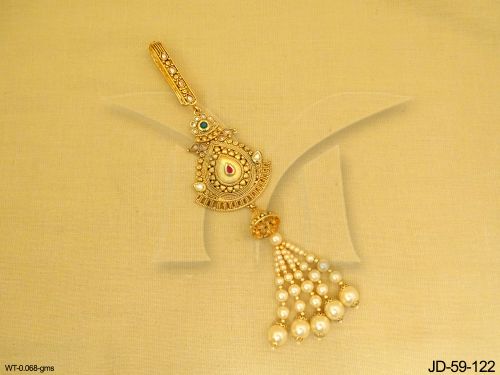
    paan shape moti base antique juda detail
    Paan Shape Moti Base Antique J...
    Add To Watchlist
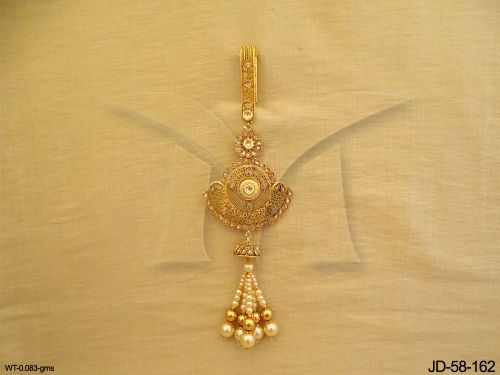
    round shape arc antique juda detail
    Round Shape Arc Antique Juda
    Add To Watchlist
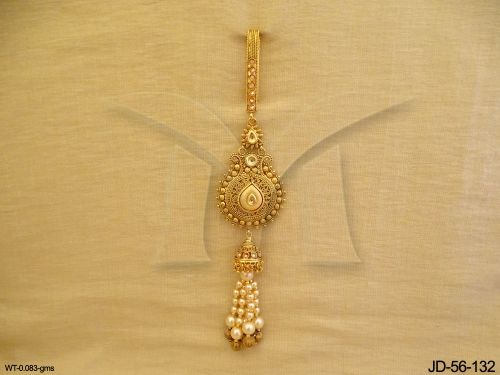
    paan shape center antique juda detail
    Paan Shape Center Antique Juda...
    Add To Watchlist
    wing textured antique judda detail
    Wing Textured Antique Judda
    Add To Watchlist
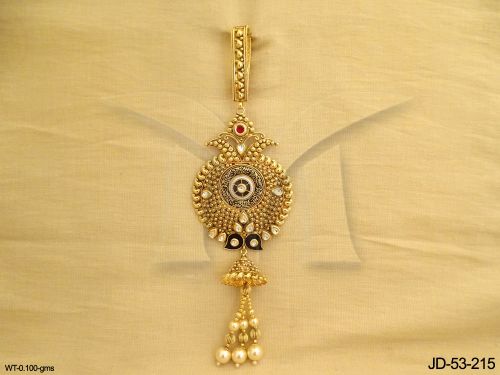
    round shape antique juda jewellery detail
    Round Shape Antique Juda Jewel...
    Add To Watchlist
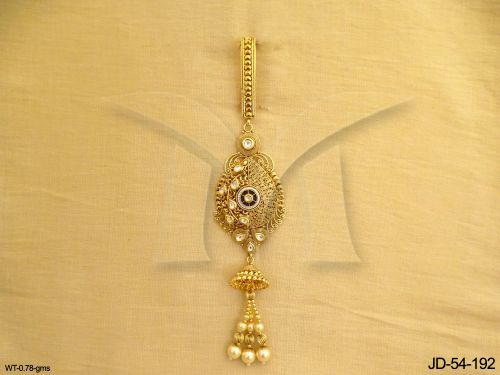
    paan designed antique juda set detail
    Paan Designed Antique Juda Set...
    Add To Watchlist
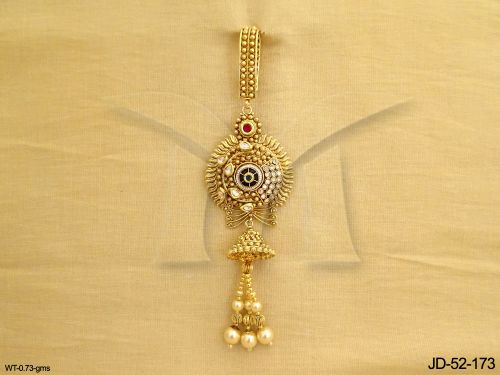
    round designed antique juda detail
    Round Designed Antique Juda
    Add To Watchlist
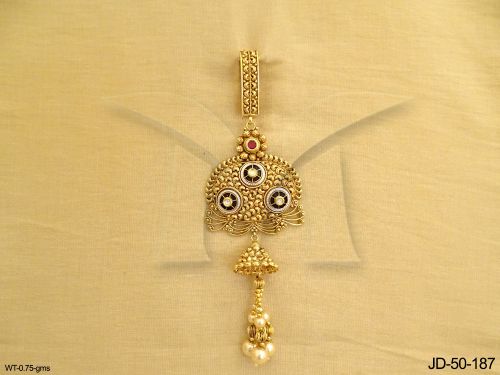
    triple round antique juda detail
    Triple Round Antique Juda
    Add To Watchlist
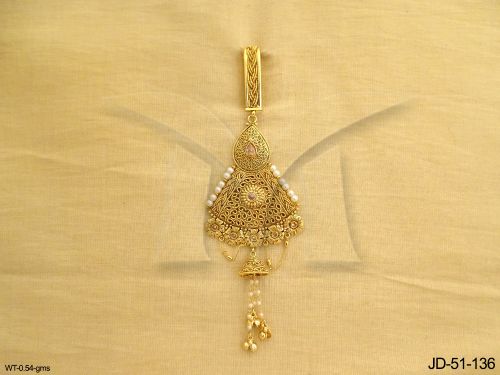
    triangular paan antique juda detail
    Triangular Paan Antique Juda
    Add To Watchlist
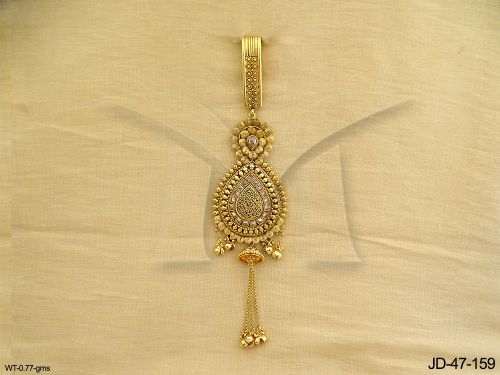
    paan style antique juda detail
    Paan Style Antique Juda
    Add To Watchlist
    half chand jhumki tv serial antique juda detail
    half chand jhumki tv serial an...
    Add To Watchlist

    Mapping Judda Demand to India's Wedding and Festival Calendar

    Wedding judda sales follow a predictable rhythm tied to India's peak marriage months and festive occasions, making seasonal stock planning essential for retailers and resellers. Demand typically surges from October through February, when the bulk of Indian weddings take place, and again around April to June for the smaller summer wedding window. Alongside weddings, festivals such as Karva Chauth, Teej, and Diwali drive a secondary spike, as brides, bridesmaids, and festival-goers look for braid tassels that match their outfits and jewellery.

    Retailers who track these cycles can time their inventory builds to avoid last-minute shortages, especially since judda is often purchased alongside bangles, maang tikka, and other bridal accessories as part of a complete look.

    When should retailers start stocking judda for wedding season?

    Most retailers begin building judda inventory six to eight weeks before the October-to-February wedding season starts, since this is when bridal shopping activity picks up. Early stocking also allows time to test colour combinations and tassel styles before peak footfall arrives.

    Which festivals outside wedding season drive judda sales?

    Karva Chauth, Teej, and Diwali are the main non-wedding occasions that boost judda demand, as women style traditional braids with tassels to match festive outfits. These spikes are shorter and more regional than wedding season but still meaningful for stock planning.

    Does judda demand vary by region?

    Yes, judda is especially popular in Punjabi and North Indian bridal traditions, so demand is strongest in regions and communities following these customs, with additional interest wherever Punjabi-style wedding functions and sangeet events are celebrated.

    Judda, Paranda, and Juda Tassels: Telling the Styles Apart

    Buyers shopping for judda for wedding season often find the terms judda, paranda, and juda tassel used interchangeably online, though each refers to a slightly different braid accessory. Understanding these distinctions helps retailers describe products accurately to customers and avoid confusion when sourcing or listing items for sale.

    A paranda is traditionally a long, tasselled cord woven directly into the hair, common in Punjabi and Himachali bridal looks, while a judda is usually a shorter, detachable tassel clipped or tied onto an existing braid or bun. Juda tassel is a more generic term often used for similar hanging ornaments styled with buns rather than full braids. Material choice also varies: silk thread parandas suit everyday festive wear, while stone-studded or metallic judda pieces are reserved for bridal and sangeet functions.

    What is the difference between a judda and a paranda?

    A paranda is a long tasselled cord woven into the braid itself, while a judda is a shorter, often detachable tassel attached at the end of a braid or bun. Parandas suit elaborate plaited styles; juddas work faster for brides who want a quick, polished festive finish.

    How do new buyers choose the right judda length?

    Length depends on hair style and occasion: shorter juddas suit buns and half-up styles, while longer ones complement full braids common in bridal looks. Retailers often stock a mix of lengths since customer preference varies by region and personal styling choice.

    Can judda tassels be matched to existing jewellery sets?

    Yes, many juddas are designed in metallic tones, beadwork, or stone finishes that coordinate with maang tikka and bangle sets, making them easy to bundle as part of a complete bridal or festive look for customers.

    MR MEMBERSHIP

    currency