
• Search

  • Login

FILTERS

antique payal

  1. Home
  2. ANTIQUE PAYAL
    Sort by : What's New
    antique payal
    1. Home
    2. ANTIQUE PAYAL
    Showing 37–48 of 128 products
    high-gold-heavy-box-chain-traditional-payal-
    High Gold Heavy Box Chain Trad...
    Add To Watchlist
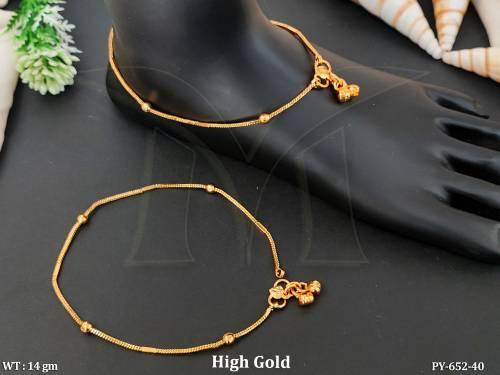
    classic-high-gold-beaded-payal-for-women-
    Classic High Gold Beaded Payal...
    Add To Watchlist
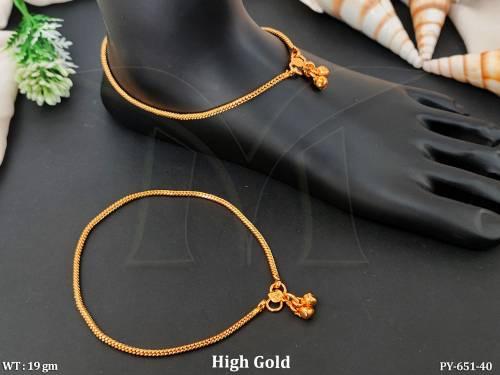
    high-gold-thick-chain-traditional-anklet
    High Gold Thick Chain Traditio...
    Add To Watchlist
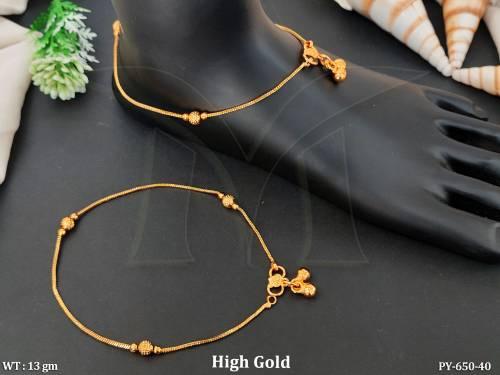
    elegant-high-gold-simple-beads-anklet-
    Elegant High Gold Simple Beads...
    Add To Watchlist
    high-gold-traditional-chain-pattern-payal-
    High Gold Traditional Chain Pa...
    Add To Watchlist
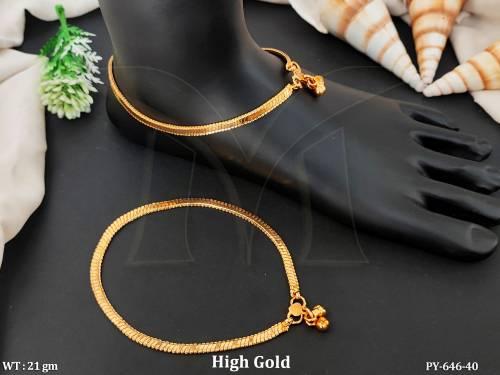
    design-high-gold-polish-fancy-style-payal-
    Design High Gold Polish Fancy...
    Add To Watchlist
    high-gold-designer-beads-anklet-for-women-
    High Gold Designer Beads Ankle...
    Add To Watchlist
    high-gold-simple-beaded-payal-for-women-
    High Gold Simple Beaded Payal ...
    Add To Watchlist
    antique-designer-high-gold-polish-party-wear-payal-
    Antique Designer High Gold Pol...
    Add To Watchlist
    beautiful-design-high-gold-polish-full-stone-part-wear-payal-
    Beautiful Design High Gold Pol...
    Add To Watchlist
    antique-high-gold-design-fancy-style-payal-
    Antique High Gold Design Fancy...
    Add To Watchlist
    Play Video
    antique-high-gold-polish-fancy-full-stone-payal-
    Antique High Gold Polish Fancy...
    Add To Watchlist
    Play Video

    Embrace the Timeless Elegance of Antique Payal: Unveiling the Charms of Vintage Anklets

    In the world of jewelry, antique payal holds a special place. These captivating anklets carry the essence of bygone eras, exuding a timeless charm that transcends trends. From their intricate designs to the meticulous craftsmanship, antique payals are a testament to the rich heritage of traditional adornments. In this article, we delve into the allure of antique payal, exploring their history, design variations, and the reasons why they continue to captivate jewelry enthusiasts worldwide.


    The Allure of Antique Payal

    Antique payal, also known as antique anklets, are crafted with a deep appreciation for heritage and cultural traditions. They feature intricate designs inspired by various eras, such as Mughal, Rajput, and Temple designs, which are marked by their distinctive motifs and ornate patterns. These anklets are often adorned with precious gemstones, enamel work, and filigree detailing, adding a touch of opulence to their vintage appeal.

    Exploring Antique Payal Designs

    Antique payals come in a wide range of designs, each reflecting the aesthetics and craftsmanship of its time. From delicate chains with dainty charms to bold and chunky anklets, there is a design to suit every personal style and occasion. Some popular antique payal designs include: Antique Filigree Anklets: These anklets feature intricate filigree work, where thin wires are twisted and shaped to form intricate patterns. The delicate filigree creates a lacy effect, giving the payals a light and airy feel. Temple-inspired Anklets: Inspired by the grandeur of temple architecture, these payals often feature motifs such as deities, temple pillars, and intricate carvings. They are characterized by their regal and ornate designs, making them ideal for special occasions and weddings. Mughal-inspired Anklets: Drawing inspiration from the opulence of the Mughal era, these payals showcase intricate craftsmanship and use of precious gemstones. They often feature floral motifs, intricate engravings, and detailed settings, evoking a sense of royal splendor.

    The Significance of Antique Payal

    Antique payal not only serve as adornments but also carry cultural and symbolic significance. In many Indian traditions, anklets are believed to bring good fortune and protect the wearer from negative energies. They are also associated with femininity, grace, and beauty, making them an integral part of traditional attire for women.

    Styling Antique Payal

    Antique payal can be paired with various outfits to add a touch of vintage charm. They beautifully complement ethnic ensembles such as sarees, lehengas, and salwar suits, enhancing the overall look with their timeless appeal. For a contemporary twist, antique payal can also be paired with fusion outfits, creating a unique juxtaposition of old and new.

    Caring for Antique Payal

    To preserve the beauty and longevity of your antique payal, it's important to care for them properly. Avoid exposing them to harsh chemicals or excessive moisture, and store them in a clean, dry place. Gently clean them with a soft cloth to maintain their shine and remove any dirt or residue.

    Conclusion

    Antique payal holds a special place in the world of jewelry, representing the beauty, craftsmanship, and cultural heritage of bygone eras. With their intricate designs, precious gemstones, and vintage charm, these anklets continue to captivate jewelry enthusiasts worldwide. Whether worn for special occasions or to add a touch of nostalgia to everyday attire, antique payal are a timeless accessory that celebrates the beauty of tradition. Embrace the allure of antique payal and experience the joy of wearing a piece of history on your ankles.

    The Evolving Look Book: Motifs and Finishes Shaping Antique Payal Trends

    Antique payal continues to evolve season after season, blending age-old motifs with finishes that suit modern retail shelves and diverse customer tastes. Beyond the classic filigree and temple styles, buyers today are exploring peacock and floral jali patterns, coin-edge payals, ghungroo-laden anklets, and layered double-row chains that add visual weight without looking heavy. Oxidized silver-tone finishes are especially popular for their rustic, tribal appeal, while kundan-and-meenakari combinations bring a festive, bridal-ready richness. Minimalist antique-finish payals with subtle engraving are also gaining traction among younger buyers who want heritage styling in a lighter, everyday-wear format. For retailers, stocking across this spectrum of motifs and finishes helps address both occasion-wear and daily-wear demand within a single antique payal category.

    What are the most requested antique payal styles right now?

    Currently, oxidized silver-tone payals, coin-edge anklets, and peacock or floral jali motifs are the most requested. Layered double-row chains and ghungroo-detailed designs also see steady demand, as they balance traditional aesthetics with versatility for both festive and regular wear.

    How do oxidized and antique-finish payals differ in style appeal?

    Oxidized payals have a darker, blackened metal look that gives a rustic, tribal impression, often paired with chunky motifs. Antique-finish payals, by contrast, use a warmer, aged-gold or silver tone that mimics heirloom jewelry, making them feel more refined and suited to festive or bridal styling.

    Which antique payal motifs suit everyday retail versus bridal collections?

    Minimalist chains with small charms or subtle engraving work best for everyday retail, offering comfort and understated elegance. Bridal collections favor bolder temple, kundan, or meenakari motifs with intricate detailing, gemstone accents, and layered designs that command attention during ceremonies.

    From Mandap to Morning Walks: How Antique Payal Moves Through the Day

    Antique payal is rarely a one-occasion piece; the same oxidised or gold-toned anklet that completes a bridal lehenga can be dressed down for festive pujas or everyday sarees. Heavier temple and filigree styles with ghungroos suit bridal and sangeet looks, where the sound and shine draw attention to mehendi-adorned feet, while slimmer antique chain payals with minimal jhumki drops work well for daily wear under kurtas or western ankle-length dresses. For festive gifting - Diwali, Karva Chauth, or housewarming hampers - a single statement payal packaged with a matching bichiya or toe ring makes a complete, ready-to-sell gift set that retailers can market around the festival calendar.

    Stocking a mix of occasion-based weights lets store owners guide customers naturally: bold for weddings, moderate for festivals, light for routine wear, which also helps reduce returns and mismatched expectations at the counter.

    Can antique payal be worn daily, or is it only for special occasions?

    Lighter antique payal designs with simple chains and minimal stone work are durable enough for daily wear, while heavier temple or kundan-studded pieces with delicate enamel are better reserved for weddings and festivals to avoid wear and tear.

    What outfits pair best with antique payal?

    Antique payal pairs naturally with traditional sarees, lehengas, and salwar suits, and also complements fusion wear like ankle-length dresses or palazzos, since the oxidised or antique-gold finish works with both ethnic and contemporary color palettes.

    Is antique payal a good gifting option for weddings or festivals?

    Yes, antique payal is a popular gifting choice for bridal trousseaus, housewarmings, and festivals like Diwali or Karva Chauth, as its traditional motifs and vintage finish feel personal and culturally meaningful compared to plain modern anklets.

    Decoding the Metal Beneath the Antique Finish

    Antique payal gets its signature aged look from oxidised plating, usually applied over a brass or copper base, which darkens the metal into muted golds, bronzes, and blackened silvers that mimic heirloom jewellery. The depth of this finish depends on how many layers of plating are applied and how the piece is hand-finished afterward, since machine-buffed pieces often lose the texture that gives antique payal its character within weeks of wear.

    Weight is another quiet indicator of quality: a payal with slightly more heft usually means a thicker base metal and a sturdier clasp, both of which hold the oxidised finish longer and resist thinning out during daily handling, display, or shipping across long retail cycles.

    How can you tell if an antique payal finish will last?

    A durable antique payal finish feels slightly textured rather than glassy smooth, holds its color under light scratching, and does not flake at the edges or clasp. Oxidised plating over brass or copper with a sealed top coat typically resists daily wear, tarnish from moisture, and fading better than thin, single-dip coatings.

    Why do some antique payals feel heavier than others?

    Weight differences usually come from the base metal thickness and the density of design elements like filigree, temple motifs, or stone settings. Heavier antique payal pieces generally use thicker brass or copper, which holds oxidised plating more evenly and withstands repeated handling, trial, and transit better than lighter, thinner alternatives.

    Does a darker antique finish mean better quality?

    Not necessarily. A darker finish shows how oxidisation was applied, not the metal's durability. Quality depends more on even plating coverage, smooth edges, secure clasps, and absence of flaking, so retailers should check craftsmanship details alongside color depth rather than judging quality by shade alone.

    MR MEMBERSHIP

    currency