
• Search

  • Login

FILTERS

antique dulhan set

  1. Home
  2. ANTIQUE DULHAN SET
    Sort by : What's New
    antique dulhan set
    1. Home
    2. ANTIQUE DULHAN SET
    Showing 13–24 of 26 products
    beautiful-fancy-design-party-wear-mehendi-polish-wedding-dulhan-set
    Beautiful Fancy Design Party W...
    Add To Watchlist
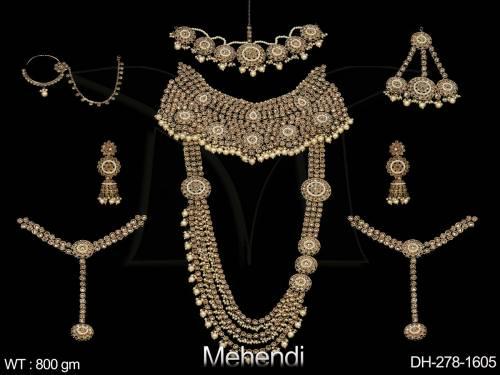
    antique-beautiful-mehendi-polish-dulhan-set-
    Antique Beautiful Mehendi Poli...
    Add To Watchlist
    beautiful-designer-party-wear-mehendi-polish-dulhan-set-
    Beautiful Designer Party Wear ...
    Add To Watchlist
    beautiful-antique-mehendi-polish-wedding-dulhan-set-
    Beautiful Antique Mehendi Pol...
    Add To Watchlist
    Beautiful Antique Stones Party wear Fancy Design Designer Dulhan Set
    Beautiful Antique Stones Party...
    Add To Watchlist
    Designer Matte Gold Polish full Antique Stones Beautiful Dulhan Set
    Designer Matte Gold Polish ful...
    Add To Watchlist
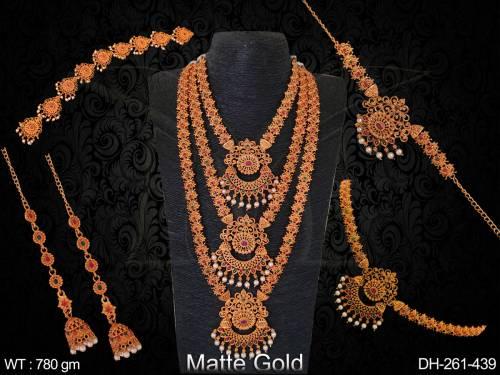
    Beautiful Designer Matte Gold Polish Fancy Style Heavy Dulhan Set
    Beautiful Designer Matte Gold ...
    Add To Watchlist
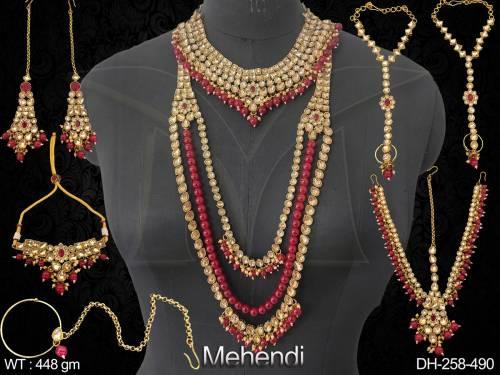
    Beautiful Full Antique Stones Mehendi Polish Fancy Designer Dulhan Set
    Beautiful Full Antique Stones ...
    Add To Watchlist
    beautiful-matte-gold-polish-designer-party-wear-dulhlan-set
    Beautiful Matte Gold Polish De...
    Add To Watchlist
    beautiful antique full stones mehendi polish fancy style dulhan set
    Beautiful Antique Full Stones ...
    Add To Watchlist
    beautiful mehendi polish designer fancy antique dulhan set
    Beautiful Mehendi Polish Desig...
    Add To Watchlist
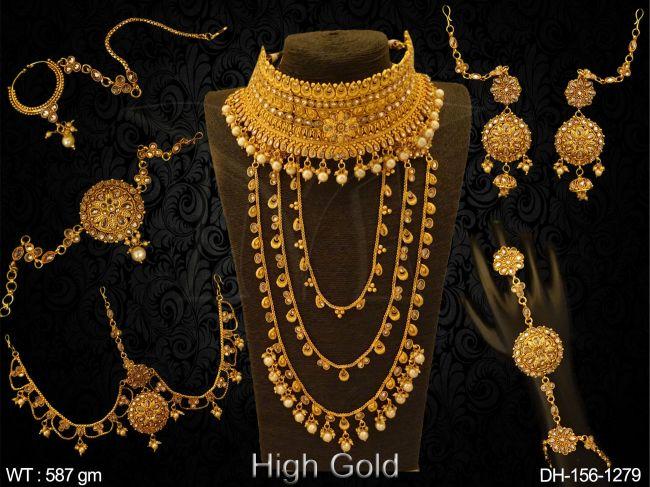
    multi layer style chokor dulhan set detail
    Multi Layer Style Chokor Dulha...
    Add To Watchlist

    Wedding Muhurats and Festival Calendars That Move Antique Dulhan Set Stock

    An antique dulhan set sees its strongest demand not in a single season but in clusters tied to India's wedding muhurats and major festivals, with the heaviest buying windows falling between November and February and again around Akshaya Tritiya in April-May. Bridal shoppers and their families usually start browsing six to eight weeks before the actual ceremony, which means retail counters need stock ready well ahead of the visible wedding rush.

    Regional festivals add smaller but predictable bumps too - Durga Puja and Diwali in the east and north, and Pongal-season weddings in the south, each pull buyers toward antique-finish bridal sets as gifting and trousseau pieces. For stockists and resellers, mapping these calendar windows against reorder lead times is often more useful than guessing demand month to month.

    When should retailers start stocking antique dulhan sets for wedding season?

    Most retailers begin building antique dulhan set inventory six to eight weeks before the main wedding muhurat windows, typically by early October for the November-February season and by February-March for the April-May Akshaya Tritiya period, allowing time for display, alterations, and customer visits before peak buying starts.

    Which festivals outside wedding season drive antique dulhan set demand?

    Beyond weddings, Akshaya Tritiya, Durga Puja, and regional harvest festivals like Pongal create secondary demand spikes, since families often buy bridal-style antique jewellery as gifts or trousseau additions during these auspicious periods, even without an immediate wedding date on the calendar.

    Does demand for antique dulhan sets stay flat during monsoon months?

    Demand typically softens during the monsoon months of June to September, as fewer weddings are scheduled then, making this a practical window for retailers to review older stock, plan new designs, and prepare inventory ahead of the busier festive and wedding months that follow.

    Antique, Kundan, or Temple Finish: Telling Dulhan Set Styles Apart

    An antique dulhan set is a bridal jewellery ensemble finished to look aged or heirloom-like, usually through oxidised plating, a dull gold or dual-tone patina, and motifs borrowed from traditional temple or Rajasthani craftsmanship rather than high-shine modern gold work. Because the term covers several related finishes, buyers and counter staff often need a quick way to tell them apart before a sale conversation goes sideways.

    Kundan sets use flat-set stones in a gold-tone base and read brighter than antique pieces; temple jewellery leans on deity and nature motifs in a warmer, matte gold finish; polki sets feature uncut diamond-look stones with a more polished edge. Antique dulhan sets sit between these, favouring a darkened or two-tone metal look that photographs well and suits deep red or maroon bridal outfits. For retailers, knowing these distinctions helps set accurate product descriptions and manage customer expectations before purchase.

    What makes a dulhan set "antique" rather than regular gold-finish jewellery?

    An antique dulhan set gets its look from oxidised or dual-tone plating that mutes shine and adds a deliberately aged appearance, often paired with temple-style or floral motifs. Regular gold-finish jewellery uses bright, uniform plating meant to mimic polished gold rather than an heirloom patina.

    Is an antique dulhan set the same as temple jewellery?

    No. Temple jewellery specifically features deity, peacock, or nature motifs rooted in South Indian traditions, while antique dulhan sets can include varied regional designs united mainly by their oxidised or aged metal finish rather than a fixed motif style.

    Can an antique dulhan set be worn with non-traditional outfits?

    Yes, antique-finish bridal sets pair well with fusion or contemporary outfits because the muted, darkened tones contrast less harshly than bright gold, making them a flexible option retailers can position for both traditional ceremonies and modern reception wear.

    MR MEMBERSHIP

    currency