
• Search

  • Login

FILTERS

beaded malas

  1. Home
  2. BEADED MALAS
    Sort by : What's New
    beaded malas
    1. Home
    2. BEADED MALAS
    Showing 109–120 of 142 products
    Beautiful Beaded Antique Designer Fancy Style Party wear Long Mala Set
    Beautiful Beaded Antique Desig...
    Add To Watchlist
    High Gold Polish Fancy Design Party Wear Antique Beaded Mala Set
    High Gold Polish Fancy Design ...
    Add To Watchlist
    Fancy Style High Gold Polish Party wear Designer Long Mala Set
    Fancy Style High Gold Polish P...
    Add To Watchlist
    Designer Fancy Style Antique Beaded Party wear Long Mala
    Designer Fancy Style Antique B...
    Add To Watchlist
    Beautiful Antique Designer Party wear Fancy High gold Polish Beaded Mala Set
    Beautiful Antique Designer Par...
    Add To Watchlist
    High Gold Polish Designer Fancy Style Party wear Beaded Mala Set
    High Gold Polish Designer Fanc...
    Add To Watchlist
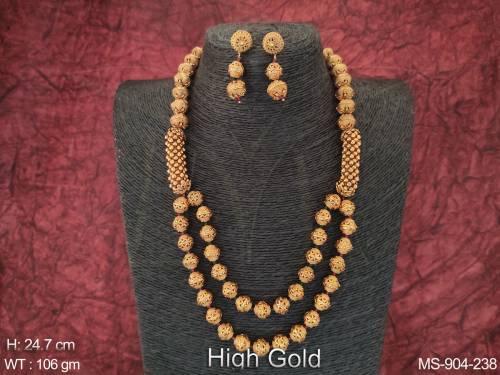
    Antique Designer Fancy Style Beautiful Ethnic Beaded Long Mala Set
    Antique Designer Fancy Style B...
    Add To Watchlist
    beautiful oxidised silver party wear mala set
    Beautiful Oxidised Silver Part...
    Add To Watchlist
    high gold polish antique ethnic beaded 4 layers beautiful pendant designer choker style necklace set
    High Gold Polish Antique Ethni...
    Add To Watchlist
    beautiful ethnic beaded high gold polish 5 layer fashion long mala necklace
    Beautiful Ethnic Beaded High g...
    Add To Watchlist
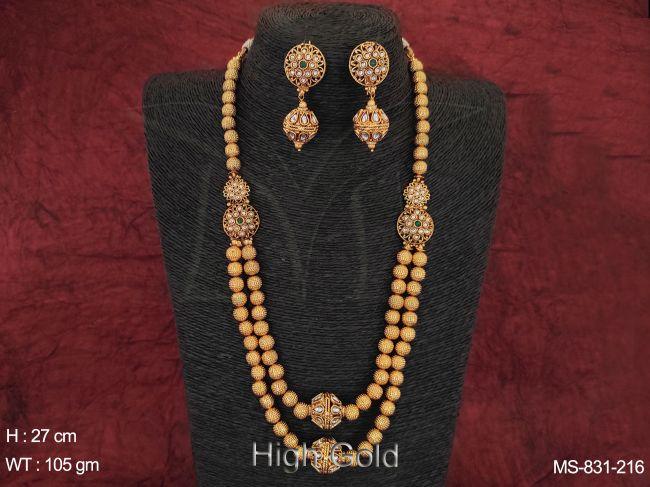
    beautiful ball chain antique ethnic beaded high gold designer fancy white stones long mala necklace set
    Beautiful Ball Chain Antique E...
    Add To Watchlist
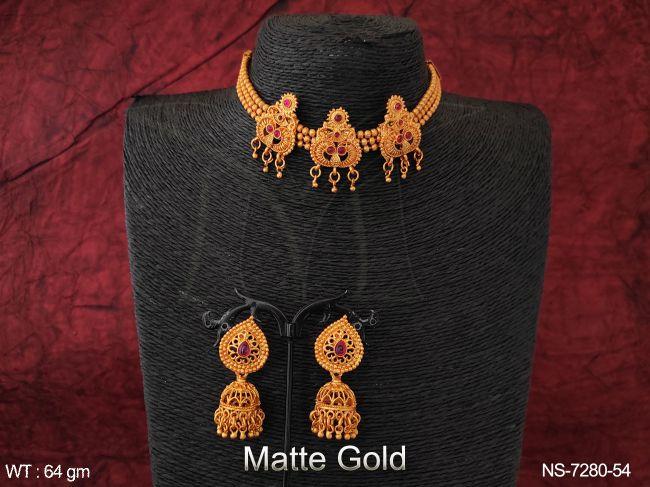
    designer 3 layer ethnic beaded matte gold polish party wear choker necklace set
    Designer 3 Layer Ethnic Beaded...
    Add To Watchlist
    Stocking Smart: Which Mala Styles Actually Sell Through

    Deciding which beaded malas to stock comes down to reading three signals: bead material, length, and finish, since these drive both price perception and repeat purchase. Rudraksha and tulsi malas remain steady year-round sellers because they serve a devotional, everyday-wear market rather than a trend-driven one. Semi-precious stone malas (rose quartz, amethyst, sandalwood) sit in the mid-tier and move fastest when paired with a wellness or astrology angle, since buyers often search by intention rather than material name. Statement malas with larger beads, tassels, or layered strands tend to perform best as occasional-wear or gifting pieces, so they work better as a smaller, curated selection than a bulk staple.

    A balanced stock mix usually covers one everyday devotional range, one wellness-stone range, and one fashion-forward layered range, letting a retailer serve different customer intents without overextending budget on any single style.

    Which beaded mala styles sell fastest for retailers?

    Rudraksha, tulsi, and sandalwood malas typically sell fastest because they appeal to daily wear and gifting occasions year-round. Semi-precious stone malas follow closely, especially when marketed around wellness or zodiac themes, since these searches drive consistent repeat interest beyond festive seasons.

    How many mala styles should a new retailer stock initially?

    Most retailers start with three to five core styles across price tiers: one devotional range, one gemstone range, and one fashion or layered style. This spread tests demand without overcommitting inventory before identifying which category resonates with the specific customer base.

    Do beaded malas have seasonal demand spikes?

    Yes, demand typically rises around festivals, wedding seasons, and New Year wellness trends, while devotional styles like rudraksha and tulsi maintain fairly consistent demand throughout the year regardless of season.

    The Regional Thread: How Geography Shapes Mala Preferences

    Beaded malas carry different cultural weight depending on where they are worn, which is why the same product can sell very differently across Indian states and export markets. In South India, sandalwood and tulsi malas remain tied to temple rituals and daily puja practice, while rudraksha dominates in North and Central India as a symbol of Shaivite devotion and protection. Bengal and parts of the East often favor tulsi paired with small rudraksha beads for Vaishnav traditions, and these regional loyalties shape repeat demand far more than trend cycles do.

    The 108-bead count itself is not arbitrary; it reflects a shared number across Hindu, Buddhist, and Jain counting practices, which is why malas of this length travel well across both domestic regional lines and international diaspora markets. For exporters and retailers serving overseas Indian communities, this shared symbolism often matters more than material cost, since buyers are purchasing continuity with a tradition rather than just an accessory.

    Why do beaded malas commonly have 108 beads?

    The number 108 holds significance across Hindu, Buddhist, and Jain counting traditions, often linked to mantra repetition cycles. Malas are strung in this count so each full round corresponds to a complete set of recitations, making the number practical for ritual use rather than purely symbolic.

    Do regional preferences affect which malas sell best in different Indian states?

    Yes, regional ritual practices strongly influence demand. Sandalwood and tulsi perform better in South and Eastern India due to temple and Vaishnav traditions, while rudraksha sees stronger pull in North and Central India, where Shaivite devotional practice is more dominant among everyday buyers.

    Why do beaded malas appeal to overseas or diaspora buyers?

    Diaspora buyers often seek malas as a tangible link to cultural and religious identity rather than fashion alone. Traditional materials and authentic bead counts carry meaning tied to home practices, which is why sourcing accuracy matters more to this segment than novelty designs.

    MR MEMBERSHIP

    currency