• Search

  • Login

  • Register

...
FILTERS

    facelets

    1. Home
    2. FACELETS
Sort by : What's New

facelets

  1. Home
  2. FACELETS
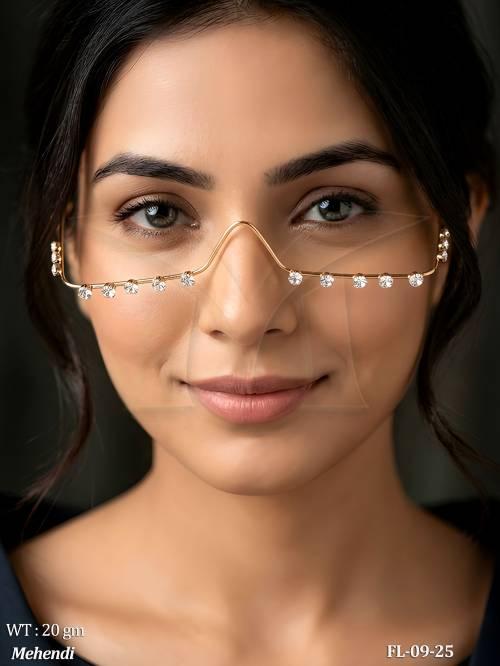
designer-mehendi-polish-full-stone-facelet
Designer Mehendi Polish Full S...
Add To Watchlist
Play Video
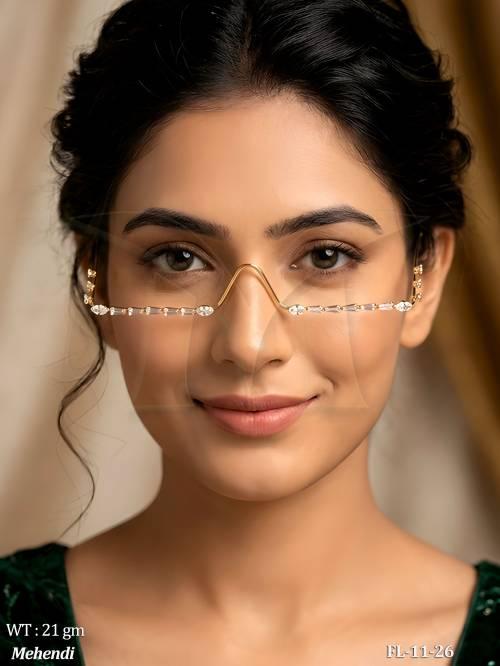
beautiful-designer-mehendi-party-wear-facelet
Beautiful Designer Mehendi Par...
Add To Watchlist
Play Video
beautiful-mehendi-polish-facelet-for-women
Beautiful Mehendi Polish Facel...
Add To Watchlist
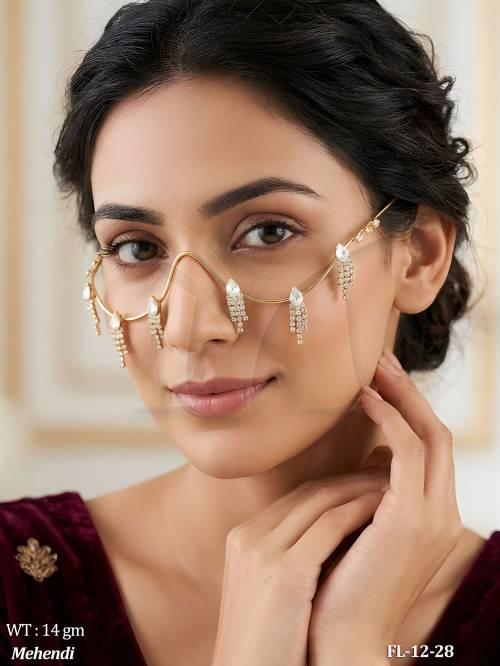
antique-diamond-facelet-bridal-nose-accessory
Antique Diamond Facelet Bridal...
Add To Watchlist
Play Video
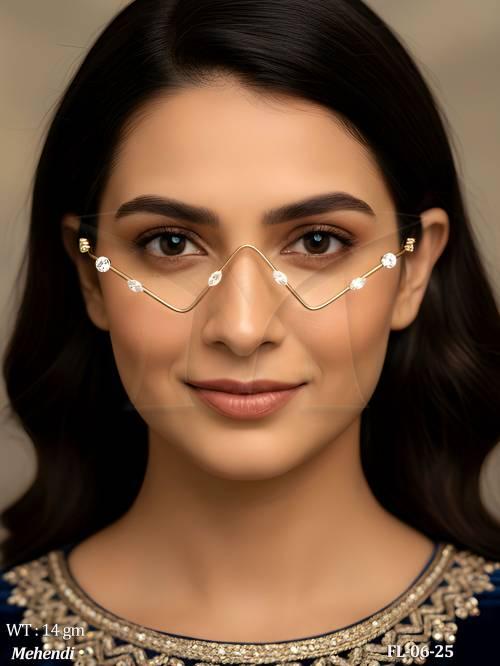
mehandi-finish-crystal-bridal-face-jewelry-facelet-jewelry-for-women
Mehandi Finish Crystal Bridal ...
Add To Watchlist
Play Video
designer-mehendi-facelet-crystal-accents-for-women
Designer Mehendi Facelet Cryst...
Add To Watchlist
Play Video
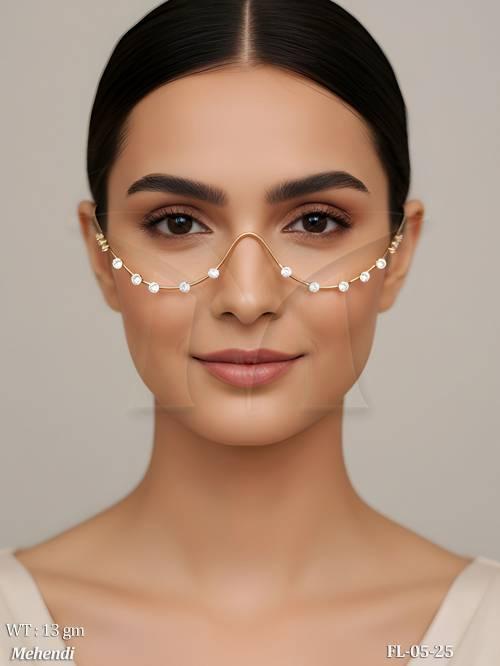
stylish-american-diamond-facelet-hand-harness
Stylish American Diamond Facel...
Add To Watchlist
Play Video
designer-american-diamond-facelet-jewellery-zigzag-style
Designer American Diamond Face...
Add To Watchlist
Play Video
stylish-crystal-facelet-jewellery-for-wedding-look
Stylish Crystal Facelet Jewell...
Add To Watchlist
Play Video
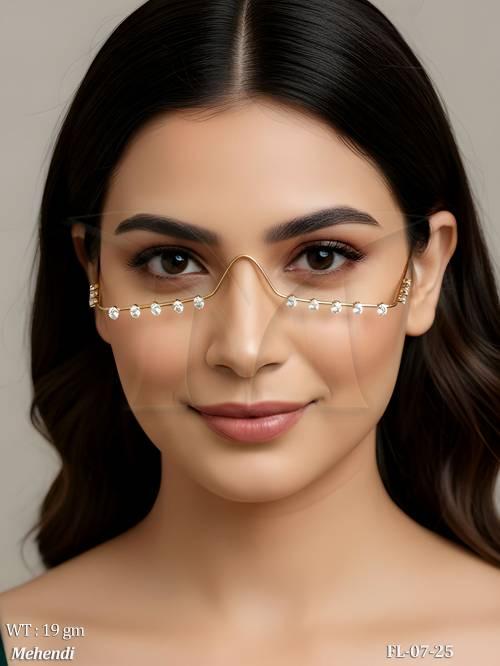
antique-jewellery-mehendi-polish-facelet
Antique Jewellery Mehendi Poli...
Add To Watchlist
Play Video
Facelet is the imitation jewellery category built around face and hand ornamentation - hand harnesses, bridal nose accessories, and decorative face pieces - finished in mehendi polish, American diamond stone work, or crystal accents. Trade buyers stock it to round out bridal and festive jewellery sets that would otherwise stop at necklaces and earrings.

A facelet range sold wholesale out of Mumbai typically spans several finish families and design weights, from light everyday crystal pieces to heavier full-stone bridal designs, giving a retailer or exporter enough spread to serve both regular party-wear buyers and wedding-season bridal customers from one supplier.

What does the facelet jewellery category actually include?

Under the facelet name sit a few distinct product shapes rather than one single item. The most common are hand harnesses that link a finger ring to a wrist chain or bracelet, decorative face pieces worn along the hairline, temple, or cheek, and imitation nose ornaments styled for bridal photography rather than daily wear.

  • Hand harness styles, sometimes called hath phool, in both delicate chain-link designs and heavier stone-covered versions
  • Face and hairline jewellery pieces meant to sit against the skin as a bridal accent
  • Nose accessories built as jewellery statements rather than functional nose pins
  • Full-stone and zigzag-pattern pieces designed for maximum coverage in bridal shoots
  • Simpler, lighter designs meant for festive and party wear rather than weddings

Because these shapes share manufacturing methods and finish families, they are grouped and sold together as one wholesale facelet line, which lets a buyer place a single order covering both bridal-heavy and everyday stock.

What materials and finishes distinguish one facelet piece from another?

Every facelet piece starts on a brass or white metal alloy base, cast to hold fine detailing before plating and stone-setting. The base metal is rarely the selling point; the finish and stone work are what a buyer and their retail customer actually judge.

Mehendi polish

Mehendi polish is a matte, antique gold-brown plating designed to resemble the colour of applied henna rather than bright yellow gold. It reads as traditional and pairs naturally with sarees, heavy lehengas, and temple-style jewellery sets, and it tends to hide handling marks better than a high-shine plating over repeated try-ons in a retail store.

American diamond and crystal work

American diamond refers to cut and polished CZ-type stones, usually set in white metal or gold-tone settings, giving a brighter, more formal sparkle suited to receptions and cocktail functions. Crystal-accent designs use smaller, lighter stone work and generally sit at the simpler end of the range, making them easier repeat sellers outside the wedding calendar.

Antique and oxidised options

Antique and oxidised finishes darken the metal deliberately, giving an aged, temple-jewellery character that suits fusion and Indo-western styling as much as traditional bridal wear. Oxidised finishes generally hold their tone longer under everyday handling than bright plating does, which matters for pieces that get tried on repeatedly in a retail counter setting.

Who buys facelet jewellery, and what drives demand?

The end customer buying facelet jewellery from a retailer is almost always dressing for an occasion rather than daily wear. Bridal boutiques, wedding stylists, costume jewellery counters, and online resellers are the main trade buyers of this category, alongside exporters supplying Indian-wear retailers in the Gulf, UK, and North America.

Demand concentrates around India's wedding season, roughly October through February, when bridal and family-function jewellery moves fastest. A second, shorter demand window opens around festive occasions such as Navratri and Diwali, when party-wear customers look for lighter facelet pieces rather than full bridal sets.

How should a wholesale buyer build a facelet assortment?

A workable facelet assortment usually mixes bridal-weight and everyday-weight pieces rather than committing entirely to one end of the range. Buyers serving bridal boutiques or wedding rental businesses tend to stock full-stone and American diamond hand harness designs deeper, since these sell in concentrated bursts tied to specific wedding dates.

Buyers serving general fashion jewellery counters or online stores usually keep simple crystal designs and lighter mehendi polish pieces as the steadier, broader part of the range, restocked more frequently through the year. Restocking rhythm should track the wedding calendar closely: heavier bridal stock is best refreshed ahead of the October to February season, while lighter party-wear designs can be reordered on a shorter, more even cycle.

Mehendi polish designs with moderate stone coverage generally sell through fastest across both customer types, since they suit bridal and festive wear without looking overly formal for either.

What should a buyer inspect before ordering facelet jewellery in bulk?

Finish and construction quality matter more in facelet jewellery than in most other imitation categories, because these pieces sit directly against skin and hair and get handled more during fittings and photography. A few checks are worth doing on any sample before committing to a bulk order.

  • Stone setting: check whether stones are securely pressed or glued, since loose stones are the most common return complaint in stone-heavy designs
  • Plating consistency: compare pieces from the same batch under light to confirm the finish tone matches across the lot
  • Hand harness fit: check that ring and bracelet connections sit comfortably and the chain length allows normal hand movement
  • Weight balance: heavier full-stone pieces should still sit evenly rather than pulling to one side when worn
  • Edge finishing: run a finger along cut edges and settings to confirm there are no rough spots that could snag hair or fabric

What distinguishes Manek Ratna's facelet manufacturing?

Manek Ratna manufactures its facelet range in-house from its Mumbai base, which keeps finish and stone-setting consistent across a bulk order rather than varying piece to piece as happens when production is outsourced across multiple small workshops. Every finish family, from mehendi polish to American diamond to plain crystal work, is produced to the same base metal and plating standard so that a buyer's retail customers see consistent quality whether they bought a heavier bridal piece or a lighter everyday one.

Because the hand harness and face-jewellery shapes in this category involve more handling than a standard necklace or earring, production runs are checked for setting security and plating evenness before dispatch, since a stone coming loose in transit or a plating patch showing through are the two most common quality complaints in this specific product type.

Frequently asked questions

What exactly is facelet jewellery used for?

Facelet jewellery covers imitation pieces worn on the face and hand as bridal or party-wear accents, including hand harnesses that connect a ring to a bracelet, nose ornaments, and decorative face jewellery worn along the hairline or cheek. Retailers stock it to complete a full bridal or festive look alongside necklaces and earrings, since a plain outfit with only standard jewellery often looks incomplete for wedding photography and stage functions.

What is the difference between mehendi polish and American diamond facelet designs?

Mehendi polish is a matte, antique gold-toned plating that mimics the warm brownish colour of henna, giving a traditional, temple-jewellery look that suits sarees and heavy lehengas. American diamond designs use cut and polished CZ-type stones set in white or gold-tone metal for a brighter, more contemporary sparkle. Buyers serving traditional bridal markets typically lean toward mehendi polish, while those serving cocktail and reception wear lean toward American diamond.

Is facelet jewellery the same as a hand harness or hathphool?

A hand harness or hathphool is one specific style within the facelet category, not a separate category on its own. It connects finger rings to a wrist chain or bracelet, whereas other facelet pieces sit on the nose, cheek, or hairline without a hand attachment. A wholesale facelet range usually includes both hand-worn and face-worn styles under the same finish families.

What base metal is used in facelet jewellery manufacturing?

Facelet pieces are typically built on a brass or white metal alloy base, chosen for its weight, casting detail, and ability to hold plating well. The base is then plated in antique gold, mehendi-tone gold, oxidised silver, or rhodium depending on the finish, and set with stones by hand or machine pressing. The base metal itself is rarely visible once plating and stone work are complete.

Which facelet designs sell fastest for wholesale buyers?

Mehendi polish designs with moderate stone coverage tend to sell through fastest because they work across both bridal and festive party occasions without looking overly heavy. Simple crystal facelet pieces move well as steady, everyday party-wear stock. Full-stone and zigzag American diamond designs sell in shorter, sharper bursts tied directly to the wedding season rather than year-round.

Can facelet jewellery be customised for bulk export orders?

Customisation on finish, stone colour, and design variation within the existing facelet range is generally possible for bulk export buyers. Specifics on customisation scope, lead times, and order structuring depend on the order itself, so exporters should raise their requirement directly with the Manek Ratna sales team before finalising a buying decision.

What are the minimum order quantity and payment terms for facelet jewellery?

Minimum order quantity, order structure, and payment terms are handled directly by the Manek Ratna sales team and are best confirmed at the time of enquiry, since they are set per buyer and per order rather than published on the category page. Trade buyers should get in touch with sales to get current terms before placing an order.

MR MEMBERSHIP

currency