
• Search

  • Login

FILTERS

traditional india malas

  1. Home
  2. TRADITIONAL INDIA MALAS
    Sort by : What's New
    traditional india malas
    1. Home
    2. TRADITIONAL INDIA MALAS
    Showing 13–24 of 91 products
    Designer Fancy Design Party wear Beautiful Long Mala Set
    Designer Fancy Design Party we...
    Add To Watchlist
    fancy-style-pay-wear-oxidised-silver-polish-beaded-traditional-long-antiques-mala-set
    Fancy Style pay wear Oxidised ...
    Add To Watchlist
    designer-oxidized-silver-polish-fancy-design-traditional-beaded-long-necklace-set-
    Designer Oxidized Silver Polis...
    Add To Watchlist
    fancy-style-oxidised-silver-beautiful-antique-style-oxidised-jewellery-long-mala-set
    Fancy Style Oxidised Silver Be...
    Add To Watchlist
    oxidised-silver-polish-fancy-design-party-wear-beautiful-oxidised-style-long-mala-set
    Oxidised Silver Polish Fancy D...
    Add To Watchlist
    high-gold-polish-fancy-style-party-wear-long-beaded-traditional-antique-mala-set-
    High Gold Polish Fancy style P...
    Add To Watchlist
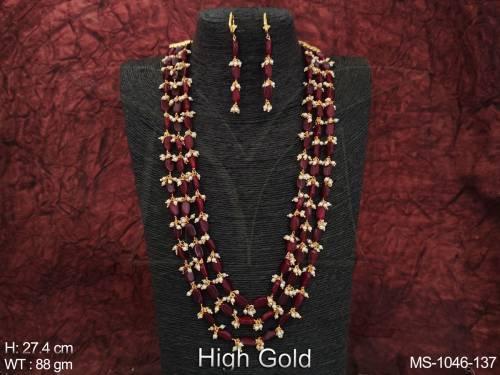
    high-gold-polish-fancy-beautiful-indian-traditional-mala-navratna-jewelry-3-layers-antique-beaded-mala
    High Gold Polish Fancy Beautif...
    Add To Watchlist
    kundan-jewellery-high-gold-polish-long-beaded-sherwani-style-mala
    Kundan Jewellery High Gold Pol...
    Add To Watchlist
    kundan-high-gold-polish-fancy-design-beaded-traditional-sharwani-mala-
    Kundan High gold Polish Fancy ...
    Add To Watchlist
    beautiful fancy designer pendant party wear long mala set
    Beautiful Fancy Designer Penda...
    Add To Watchlist
    designer high gold polish fancy style beautiful pendant mala set
    Designer High Gold Polish Fanc...
    Add To Watchlist
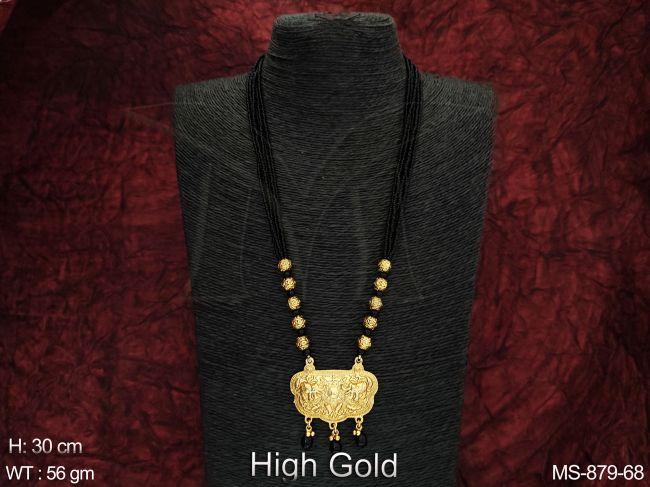
    designer fancy style beautiful party wear mala set
    Designer Fancy Style Beautiful...
    Add To Watchlist

    The Many Moods of the Modern Mala: Motifs, Materials, and Layers

    Traditional Indian malas today cover an unusually wide design spectrum, from temple-inspired gold-tone beads to boho-style tasselled layers worn stacked for a festival look. Within this single category you will find Tulsi and Rudraksha inspired beaded strands, Navratna and kundan-studded pieces, meenamari enamel work, oxidised silver-tone tribal designs, and coin-and-charm temple jewellery motifs, each rooted in a different regional craft tradition.

    Style preferences shift with the season and occasion, which is why buyers increasingly look for collections that mix minimalist single-strand malas for everyday wear with elaborate multi-layered or bridal-weight pieces for weddings and festivals. Pastel meenakari, fusion kundan-bead combinations, and long opera-length layered malas are especially popular right now, alongside classic temple coin designs that never really go out of style. Retailers sourcing for varied customer bases often benefit from carrying this full range rather than a single look.

    What are the most popular mala styles trending currently?

    Long layered malas, temple coin designs, kundan-and-bead fusion pieces, and pastel meenakari work are currently the most requested styles, alongside classic Rudraksha and Tulsi malas that remain steady sellers across most regional markets year-round.

    What is the difference between a temple mala and a kundan mala?

    Temple malas feature gold-toned metal beads, coins, and deity or motif charms inspired by South Indian temple jewellery, while kundan malas use flat-set faux stones in gold-tone frames, often combined with pearls, giving a more Rajasthani, bridal-leaning aesthetic.

    Which mala designs suit daily wear versus festive occasions?

    Single-strand beaded or lightweight metal malas suit daily wear due to comfort and subtlety, while multi-layered, stone-studded, or coin-heavy designs with larger pendants are better suited to festive, bridal, or special-occasion styling.

    From Mandap to Morning Commute: How Malas Move Through the Day

    Traditional Indian malas are rarely styled the same way twice, since the same core craft techniques get reworked in weight, length, and layering to suit a wedding mandap, a festival gathering, or an ordinary workday. Bridal styling usually leans into stacked, opera-length layers worn over a heavy lehenga or saree, often paired with matching jhumkas and a maang tikka so the neckline carries visual weight without competing with embroidery. Festive wear tends to sit a notch lighter, with a single statement mala or a two-layer combination doing the job over a silk kurta or anarkali. Daily wear customers, by contrast, usually gravitate toward slim single-strand beaded or chain-style malas that sit close to the neck and layer easily under everyday collars.

    Gifting is another steady demand driver worth noting for sourcing decisions: malas are commonly exchanged during Raksha Bandhan, Diwali, housewarmings, and wedding shagun ceremonies, which keeps demand fairly consistent outside the core bridal season. Retailers who stock both occasion-heavy and everyday pieces together tend to capture this gifting traffic more easily than those focused on a single price point.

    How should a mala be layered for bridal styling?

    Bridal looks typically combine two or three malas of varying lengths, starting with a shorter choker-style piece and ending with a longer opera-length strand, so the layers frame the neckline progressively without overwhelming the outfit's embroidery or neckline cut.

    Which mala styles work best for daily office wear?

    Slim single-strand beaded or metal-chain malas in muted gold or oxidised tones work best for daily wear, since they sit close to the neck, pair easily under collars, and do not compete visually with formal or semi-formal workwear.

    Why are malas a popular festival and gifting item?

    Malas are compact, symbolically rich, and suit most ages and body types, making them a low-risk gifting choice during Raksha Bandhan, Diwali, and housewarming ceremonies, which keeps retailer demand fairly steady beyond the peak wedding season.

    MR MEMBERSHIP

    currency